
Bee stings are often underestimated, but recent incidents in Kerala have brought their potentially life-threatening effects into sharp focus. Two individuals tragically lost their lives after being stung by swarms of bees in separate locations—Kalpetta in Wayanad and Gudallur. In both cases, eagles had disturbed the beehives, causing the bees to become aggressive. One victim, while trying to shoo away bees by removing his shirt and waving it, unintentionally provoked a massive swarm attack.
Although they might resemble harmless flies, honey bees—especially rock bees, little bees, and Indian hive bees common in Kerala—are highly venomous and often attack in large groups. When a bee stings, its stinger releases venom into the skin, and the stinger often remains embedded in the body. Removing it quickly is crucial to prevent further venom from spreading and attracting more bees.


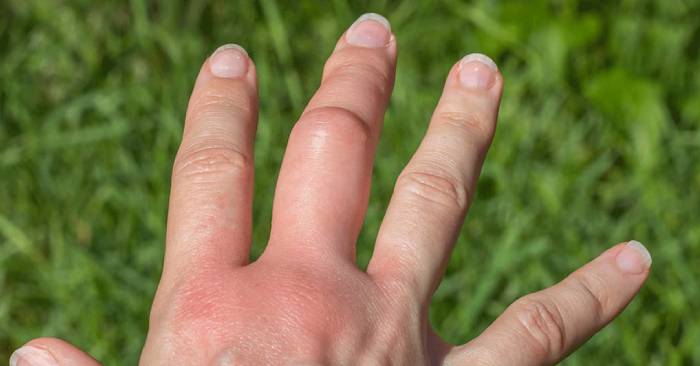
Common symptoms after a sting include redness, pain, swelling, and itching. However, multiple stings can lead to severe health complications such as nausea, vomiting, dizziness, high blood pressure, difficulty breathing, unconsciousness, or even death.
Immediate first aid can be life-saving. Applying vinegar or a baking soda paste can help neutralize the venom. Still, medical attention is critical, especially for children or if multiple stings occur.
It’s essential to stay vigilant around areas where beehives may be found—trees, rock faces, or buildings. Avoid disturbing hives, and if removal is necessary, use full protective gear and seek professional help. The pheromones released during a sting can draw more bees, making swarm attacks dangerously unpredictable.