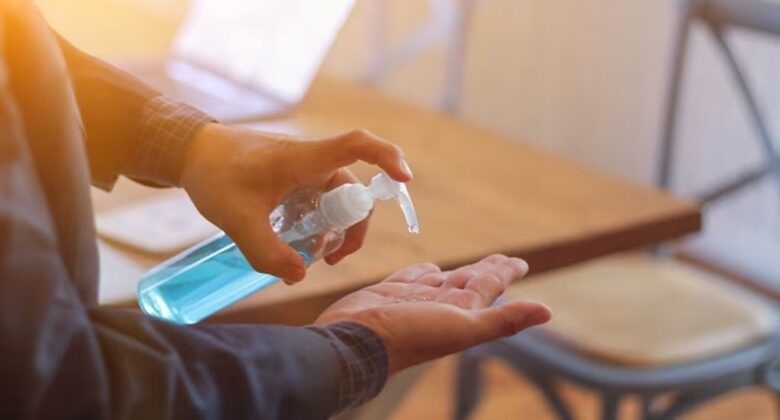
The EU is considering classifying ethanol, an ingredient used in many hand sanitisers, as a dangerous substance that increases the risk of cancer. An internal recommendation on October 10 by one of the working groups within the European Chemicals Agency (ECHA) flagged ethanol as a toxic substance, which increased the risk of cancer and pregnancy complications, the FT said, and needed to be replaced in cleaning and other products.
The ECHA’s Biocidal Products Committee is set to meet between November 25 and November 28. The regulator said that if its expert committee “concludes that ethanol is carcinogenic”, it would recommend its substitution, the FT said, adding that the final decision would be made by the European Commission.


The European Chemicals Agency did not immediately respond to a Reuters request for comment. The regulator said if its expert committee concluded that ethanol had the potential to cause cancer or harm human reproduction, it would recommend its substitution.
It added that assessments were still ongoing and no conclusions had been made. The final decision will be taken by the European Commission following the committee’s scientific opinion. The World Health Organisation classifies both ethanol and isopropanol as safe to use for hand hygiene.
Ethanol has long been recognised for its ability to kill viruses, bacteria, and fungi. It is commonly used in hospitals, food production facilities, and everyday cleaning products, in addition to hand sanitisers. The World Health Organisation has included alcohol-based disinfectants on its list of essential medicines since the 1990s, underscoring their critical role in infection prevention. During the COVID-19 pandemic, ethanol-based hand rubs became a cornerstone of public hygiene. Studies indicate that hand hygiene alone prevents millions of infections annually.