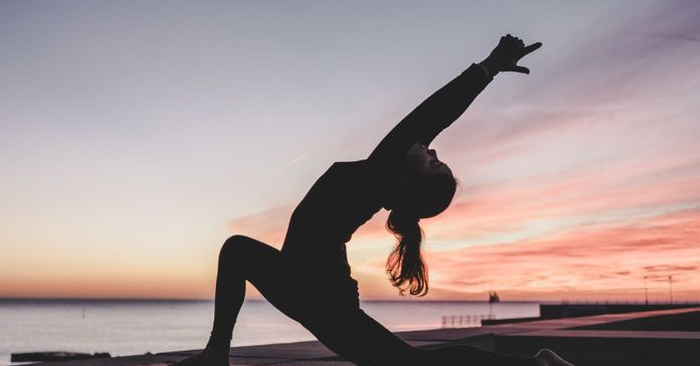
Yoga and pranayama (breathing exercises) offer a natural way to strengthen your lungs and improve respiratory health, making them ideal for those managing conditions like asthma or bronchitis. When practiced consistently, these techniques enhance lung capacity, reduce inflammation in airways, and foster overall relaxation.
Yoga Poses to Strengthen Your Lungs:
- Bridge Pose (Setu Bandha Sarvangasana):
- Lie on your back, knees bent, and feet flat on the floor.
- Raise your hips while keeping shoulders grounded.
- This pose expands the chest cavity, promoting deep breathing. Hold for 30–60 seconds.
- Cobra Pose (Bhujangasana):
- Lie face down with palms under shoulders.
- Lift your chest while keeping the lower body anchored.
- Strengthens the upper back and opens the lungs. Hold for 15–30 seconds.
- Cat-Cow Stretch (Marjaryasana):
- Alternate between arching and rounding your spine, syncing movements with your breath.
- Improves respiratory flexibility and spinal health. Practice 5–10 cycles.
- Fish Pose (Matsyasana):
- Lie on your back, lift your chest, and support your head gently.
- Opens the throat and chest, boosting lung capacity. Hold for 30–45 seconds.
Simple Pranayama Techniques:
- Diaphragmatic Breathing: Place one hand on your chest and the other on your belly. Breathe deeply into your belly, feeling it expand. Practice for 5–10 minutes to enhance diaphragm function.
- Alternate Nostril Breathing (Nadi Shodhana): Alternate breaths between nostrils to balance the respiratory system. Practice for 5–7 minutes.
- Bee Breath (Bhramari): Hum softly on each exhale to calm the mind and relieve throat irritation. Practice 5–10 rounds.
- Bhastrika Pranayama: Breathe in and out with equal durations, engaging the belly, ribs, and chest. Practice for 5 minutes to maximize lung capacity.
Guidelines for Effective Practice:
- Timing: Morning or evening is ideal; avoid practicing after meals.
- Environment: A clean, ventilated, and calm space works best.
- Consistency: Start with 15–20 minutes daily, gradually increasing duration.
- Precautions: Begin gently, and consult a healthcare provider if you have severe respiratory conditions.
Incorporating these yoga poses and pranayama techniques into your routine can improve oxygen intake, reduce stress-induced breathing issues, and enhance respiratory endurance. Yogacharya Akhil Gore recommends working with a qualified instructor for personalized guidance, especially for individuals with asthma or bronchitis. Pairing these practices with proper medical care can lead to optimal lung health and overall well-being.