Ahoi Ashtami is a deeply cherished Hindu festival, particularly celebrated by mothers across North India for the well-being and longevity of their children. This special day, which falls on October 24, 2024, will see mothers fasting and offering prayers to Goddess Ahoi for their children’s health and prosperity. While fasting is central to the festival, the preparation of traditional bhog recipes is equally important in the rituals. Here are five delectable dishes to make this Ahoi Ashtami.
What is Ahoi Ashtami?
Ahoi Ashtami takes place four days after Karwa Chauth and eight days before Diwali. On this day, mothers fast from dawn till dusk, praying for the health and longevity of their children. Originally, this festival was observed by mothers with sons, but now it has evolved to include all mothers praying for their children, regardless of gender.


The Legend of Ahoi Ashtami
The festival is rooted in a legend of a mother who had seven sons. While digging in the forest, she accidentally killed a lion cub, and upon returning home, she discovered her sons had vanished. Distraught, she learned the lioness had cursed her for the cub’s death. Following the advice of an old woman, the mother prayed to Ahoi Mata (an incarnation of Goddess Lakshmi) and fasted for a day, ultimately reuniting with her sons. This practice became the foundation of Ahoi Ashtami.
Traditional Bhog Recipes for Ahoi Ashtami
Suji Halwa: This rich, ghee-laden dessert is a must-have during Ahoi Ashtami, prepared by patiently roasting semolina to a golden brown and garnishing it with almonds and pistachios for an auspicious touch.
Pooris: These crispy, deep-fried rounds are a staple for the festival. Typically made in batches of eight, pooris are served during the puja and paired with other dishes like Aloo Sabzi.
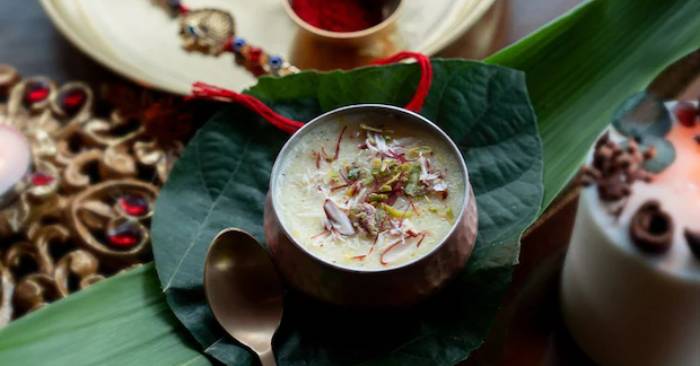
Kheer: A slow-cooked rice pudding, Kheer is infused with cardamom and nuts, symbolizing a mother’s love and care. Its creamy consistency and delicate sweetness make it a perfect dish for breaking the fast.
Gulgule (Pua/Malpua): These jaggery-sweetened fritters are a joyful addition to the Ahoi Ashtami table. Made from wheat flour and aromatic fennel seeds, they are fried to a golden brown and soaked in syrup.
Aloo Sabzi: This simple yet flavorful potato curry, made without onion or garlic, is a comforting accompaniment to Pooris. Cooked with cumin, ginger, and tomatoes, it perfectly rounds out the traditional meal.
Ahoi Ashtami is a day of devotion, fasting, and delicious food, making it a festival that highlights both spiritual and culinary traditions.