As health-conscious eating continues to gain momentum worldwide, grains like couscous, quinoa, and dalia have become increasingly popular. With so many options, choosing the right grain for your diet can be challenging. Understanding the nutritional profiles, flavors, and culinary uses of these grains can help you make an informed decision. Let’s dive into the details of couscous, quinoa, and dalia to see which one might be the best addition to your meals.
What Is Couscous?
Couscous is a quick-cooking grain commonly found in Middle Eastern and Mediterranean cuisines. Made from steamed granules of crushed durum wheat, couscous is low in fat and provides a good source of carbohydrates, making it an energy-rich yet low-calorie option. Originating from North Africa, couscous is a dietary staple in the region.


Nutritional Profile: One cup of cooked couscous contains about 176 calories, 6 grams of protein, 0.2 grams of fat, and 6 grams of fiber.
Texture and Flavor: Couscous has a light, fluffy texture and a mild, nutty flavor. It cooks in just about 5 minutes, making it a convenient choice for busy days.
Culinary Uses: It can be served as a side dish, mixed into salads, or used as a base for stews and vegetables.
What Is Quinoa?
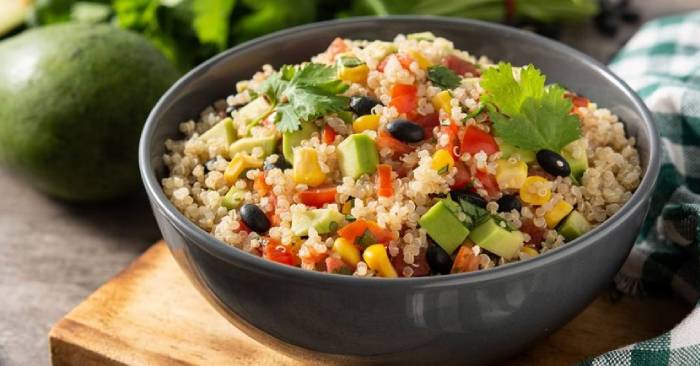
Quinoa is often hailed as a superfood due to its rich nutritional content. Unlike many plant-based foods, quinoa is a complete protein, containing all nine essential amino acids. It is also high in fiber, which aids digestion, and is packed with essential minerals like magnesium, iron, and potassium. With a low glycemic index, quinoa is an excellent choice for those looking to maintain stable blood sugar levels.
Nutritional Profile: One cup of cooked quinoa contains about 222 calories, 8 grams of protein, 3.6 grams of fat, and 5 grams of fiber.
Texture and Flavor: Quinoa has a slightly crunchy texture and a mild, nutty flavor, making it versatile for various dishes.
Culinary Uses: It works well in salads, soups, and as a substitute for rice, and can be used in both hot and cold dishes.
What Is Dalia?
Dalia, also known as cracked wheat, is a nutritious grain frequently used in Indian cuisine. Known for its high fiber content, dalia supports digestive health, promotes regular bowel movements, and aids in weight management. It is also rich in B vitamins, iron, and magnesium, which are vital for overall metabolic health.
Nutritional Profile: One cup of cooked dalia contains about 150 calories, 5 grams of protein, 0.5 grams of fat, and 6 grams of fiber.
Texture and Flavor: Dalia has a chewy texture, making it suitable for both savory and sweet dishes.
Culinary Uses: Commonly used in savory dishes like upma or khichdi, dalia can also be incorporated into soups, salads, and sweet preparations like porridge.
Which One Is Healthier?
When comparing the nutritional value of these grains, quinoa stands out for its complete protein profile and high fiber content, making it the most nutrient-dense of the three. Couscous, while lower in fiber, is a quick and versatile option for meals on the go. Dalia offers a good balance of fiber and essential nutrients, making it a healthy choice, especially for those who enjoy traditional flavors.
Protein Content: Quinoa is the clear winner, as it contains all nine essential amino acids. Dalia also provides a moderate amount of protein, while couscous has the least.
Texture and Flavor: Quinoa’s unique texture and flavor complement a wide range of dishes. Couscous is light and fluffy, ideal for quick meals, while dalia’s chewy texture makes it perfect for both savory and sweet dishes.
Choosing between couscous, quinoa, and dalia depends on your dietary needs, taste preferences, and the type of dish you’re preparing. Each grain offers distinct benefits and can be a valuable addition to a balanced diet. Whether you’re looking for a quick side dish, a nutrient-dense meal base, or a traditional ingredient, there’s a grain here that fits your needs.