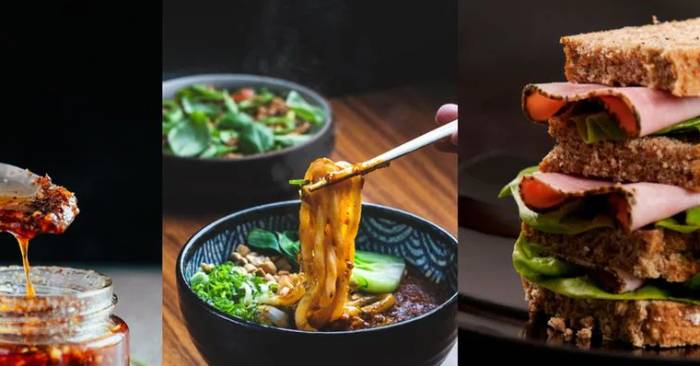
The culinary world is set to experience a transformative year in 2025, as food trends continue to evolve with a blend of cultural influences, health-conscious choices, and sustainability. Asian flavours, which have become increasingly popular, are now dominating global menus, with ingredients like gochujang, kimchi, and matcha becoming essential in many dishes. From sushi to ramen, these bold and varied tastes are being incorporated into a range of cuisines, and they are shaping the way we think about food.
Heat is taking on a more nuanced role in cooking, as spice lovers now focus on flavours rather than just the heat factor. Chili oils, sweet-and-spicy snacks, and spicy chocolate are gaining popularity as consumers look for a balanced combination of heat and taste.


The concept of “food as medicine” is also thriving, with health-conscious food choices becoming mainstream. Functional ingredients such as adaptogens, functional mushrooms, and non-alcoholic beverages are gaining momentum as people look for ways to improve their well-being through their diets. These ingredients are not only nourishing but are also being used in creative beverages like teas and coffees.
Crunchy snacks are becoming a food trend favourite, with seaweed and pistachios leading the way. These nutrient-dense, umami-packed options are showing up in everything from snacks to lattes. Alongside these trends, sustainability is a driving force, with consumers demanding more transparency about the origins of their food. Reducing food waste and ensuring eco-friendly packaging are key concerns as the focus shifts toward a more responsible food system.
In addition to these major trends, micro trends like AI-assisted grocery shopping, oversized sandwiches, and even balsamic vinegar transformed into pearls are making waves. As 2025 unfolds, food is becoming a canvas for creativity, culture, and environmental responsibility, making the year ahead one to watch for food lovers everywhere.