
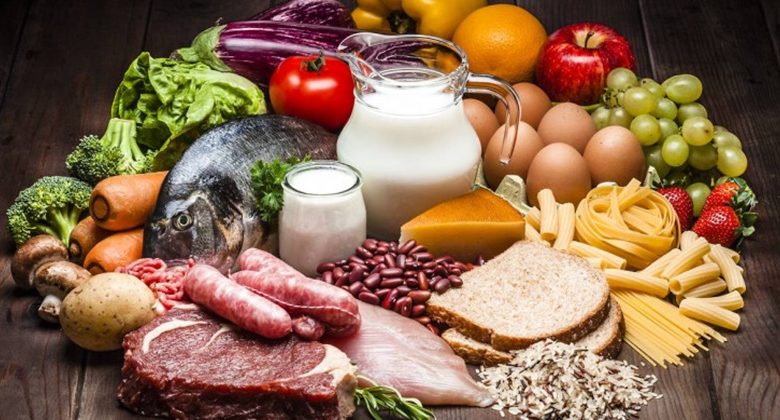
Nutrients are vital for the body’s growth and overall physical and mental health. Primarily obtained from food, these essential compounds are categorised into macronutrients (carbohydrates, fats, protein, and water) and micronutrients (vitamins and minerals). Doctors emphasise that each nutrients performs unique functions, and both deficiencies and excesses can significantly increase the risk of various health issues.
1. Carbohydrates
Carbohydrates, or carbs, get broken down into glucose and other simple sugars and are important sources of energy to support your brain and body. Carbs usually provide around 4-5 calories per gram. Carbohydrates are usually found in fruits, vegetables, dairy products, and honey, along with nuts and seeds. An average adult needs around:
1.5 to 2 cups of fruit daily
2 to 3 cups of vegetables daily
Three to six servings of whole grains daily
Three servings of low-fat dairy or nondairy


2. Protein
Proteins are the building blocks of your body and provide essential macronutrients for the smooth workings of your muscles, bones, cartilage, and skin. Made of amino acid chains, protein is an extremely essential nutrient that helps in cell repair, optimal functioning of the immune system, and transporting vitamins, minerals, and oxygen to all parts of your body. Protein is found in:
- Plant sources
- Legumes, whole grains, nuts, seeds, and vegetables
- Animal sources
- Eggs, dairy, meat, poultry, fish
- Packaged foods
- Protein powders
3. Fats
Fats are important compounds that help your body absorb key vitamins and minerals. Although fat is higher in calories than protein and carbs, these calories are an important energy source.
According to experts, 20-35 per cent of your daily calories come from fat. Doctors recommend taking unsaturated fats since they provide essential fatty acids that your body is not able to make on its own. These fats are found in foods like nuts, seeds, fatty fish, and some vegetable oils. Saturated fats, on the other hand, can also increase your LDL, or bad cholesterol, which leads to various heart diseases.
4. Vitamins
Vitamins, according to experts, are organic compounds crucial for metabolic processes, cellular integrity, and overall growth, required in small dietary amounts. They are broadly categorised as fat-soluble (A, D, E, K), which are stored in fat after absorption and support vision, blood clotting, bone health, and immunity; and water-soluble (C, B complex), which are notably harder to absorb. A deficiency in any of these vitamins can significantly increase the risk of various health issues and diseases.