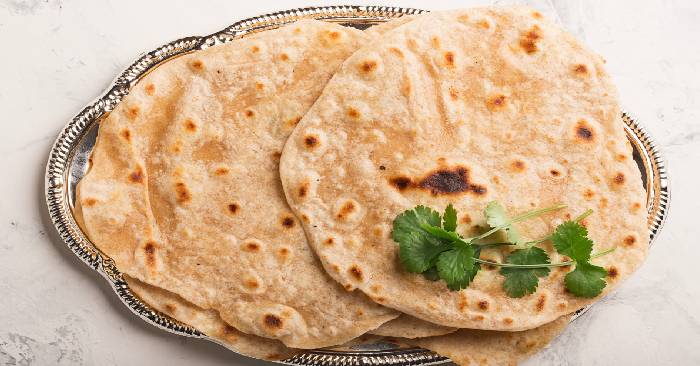
The Chapati Movement, a fascinating episode from India’s freedom struggle, unfolded in early 1857 and involved the mysterious distribution of chapatis (flatbreads) across North and Central India. While the exact intent remains unclear, this unusual event, which took place just before the First War of Indian Independence, has intrigued historians and symbolized India’s resistance against British colonial rule. The widespread and unexplained circulation of these chapatis baffled British officials, who were unable to discern its purpose, leading to various speculations about its role in mobilizing discontent.
Some historians view the Chapati Movement as a precursor to the 1857 Rebellion, reflecting the growing unrest and unity among Indians. Despite the lack of concrete evidence linking it directly to the rebellion, the movement’s timing suggests it might have contributed to the collective resistance against British authority. Additionally, chapatis also played a significant role in the Vaikom Satyagraha, a 1924-25 protest in Kerala against caste-based discrimination. Here, chapatis became a symbol of unity and solidarity, reinforcing the broader narrative of resistance in India’s fight for independence.