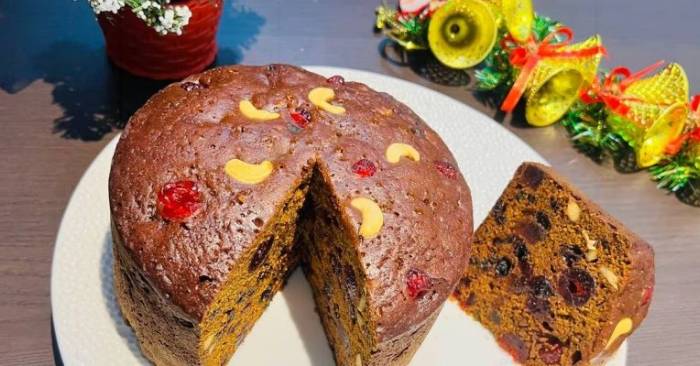
Plum cake, a festive treat filled with dried fruits, nuts, and spices, has become synonymous with Christmas celebrations worldwide. This indulgent dessert is often prepared in advance, with dried fruits soaked in rum, wine, or brandy to enhance its rich flavor. But do you know how plum cake became a staple of Christmas, especially in India? Let’s explore its fascinating history.
The origins of plum cake trace back to medieval England, where it started as a simple porridge made from oats, dried fruits like plums or prunes, spices, and honey. This porridge was consumed during the weeks leading to Christmas, a period when people refrained from indulgent foods. By the 16th century, the recipe evolved with flour, butter, and eggs, becoming a dense cake. The term “plum cake” likely came from the use of raisins and currants, once referred to as “plums” in England. Another theory suggests the cake was named after the dried plums that may have originally been included.


In India, plum cake found its way to Kerala in 1883 when British planter Murdoch Brown introduced the recipe to Mambally Bapu, a local baker. Bapu adapted the recipe by using a local brew made from cashew apples and bananas, creating a unique version that soon became a Christmas tradition. Over time, different regions of India put their own spin on the recipe, like Goa’s Baath cake with coconut milk and Allahabadi cake featuring petha (ash-gourd candy). Kerala’s version of plum cake, known for its balanced spice mix, remains a festive favorite.
Today, plum cake is celebrated across India, not just by Christians but by people of all faiths. It has become a symbol of togetherness during the holiday season. Modern variations, including eggless and alcohol-free versions, make it accessible to a wider audience, yet its rich, indulgent essence remains unchanged. The aroma of plum cake now fills Indian homes and bakeries, signaling the arrival of Christmas festivities.