
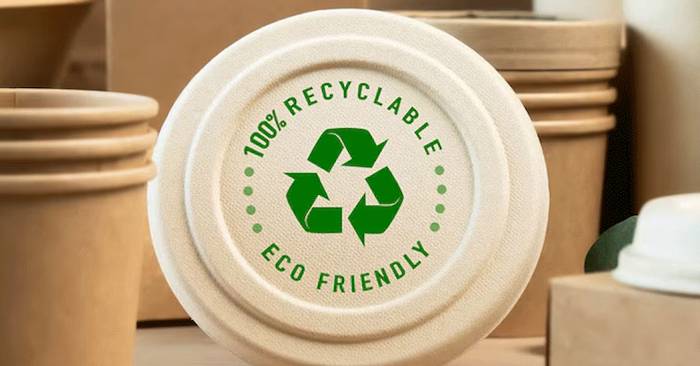
Biodegradable plastic bags have been promoted as eco-friendly alternatives to conventional plastic bags, praised for their ability to decompose in the soil. However, new scientific findings suggest that these seemingly safer options may pose hidden health risks to the human body. Particularly, biodegradable bags made with starch-based compounds are now under scrutiny for their potential to release toxic substances that may harm vital organs.
According to experts, harmful chemicals in these biodegradable plastics can enter the human body through several everyday practices. These include using plastic wraps to store or pack food, consuming contaminated food or water, or even through medical methods such as intravenous (IV) fluids. Once these microplastic particles enter the body, they can lead to serious health complications.


Researchers at Southeast University in China conducted a study on rats to investigate this issue. Rats were split into three groups—one received a standard diet, while the other two were fed food containing biodegradable plastic molecules. After three months, the rats exposed to the plastics showed signs of liver and ovarian damage. Additionally, the exposure interfered with metabolism, disrupted blood glucose levels, and altered their natural sleep-wake cycles.
Lead researcher Professor Yongfeng Deng emphasized that the public misconception around biodegradable plastic being entirely safe needs to be challenged. The study calls for deeper investigation into how these plastics degrade inside the human body. In the meantime, experts recommend switching to natural alternatives like cloth, jute, wood, or leaf-based bags, which are not only environmentally friendly but also pose no known health hazards.