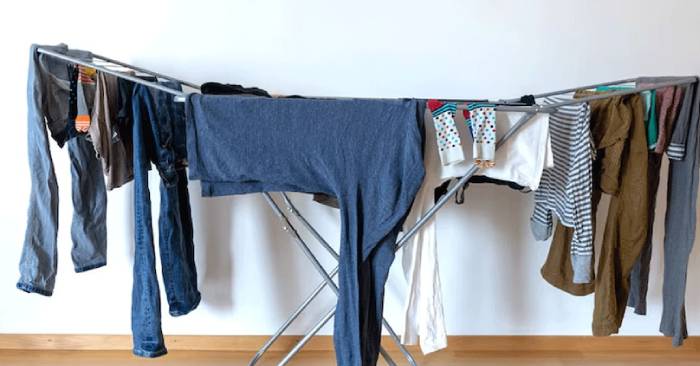
Drying clothes indoors is a common practice due to limited outdoor space, bad weather, or privacy concerns. However, experts warn that this can increase indoor humidity, leading to mould growth and serious health risks. A single load of wet laundry can release up to two litres of water into the air, creating damp conditions ideal for mould.
Mould thrives when indoor humidity exceeds 60%, spreading rapidly and causing health issues like allergies, respiratory problems, and asthma. Symptoms such as coughing, sneezing, itchy eyes, and eczema are common. Black mould, or Stachybotrys chartarum, can produce mycotoxins, leading to fatigue, headaches, and weakened immunity. Children, the elderly, and those with compromised immune systems are particularly vulnerable.


To mitigate these risks, maintain indoor humidity below 60% using dehumidifiers and exhaust fans. Ensure proper air circulation by opening windows while drying clothes indoors. Opt for heated drying racks, vented dryers, or clothes with lower water content to reduce moisture. Silicone gel and charcoal dehumidifiers can also help control humidity. Regularly clean surfaces prone to mould to prevent its growth.
By taking these precautions, you can enjoy the convenience of indoor laundry drying while safeguarding your health and home. Indoor laundry drying doesn’t have to be a health hazard if managed properly. By adopting simple measures like improving ventilation, using dehumidifiers, and maintaining cleanliness, you can prevent mould growth and create a safer, healthier living environment for you and your family.