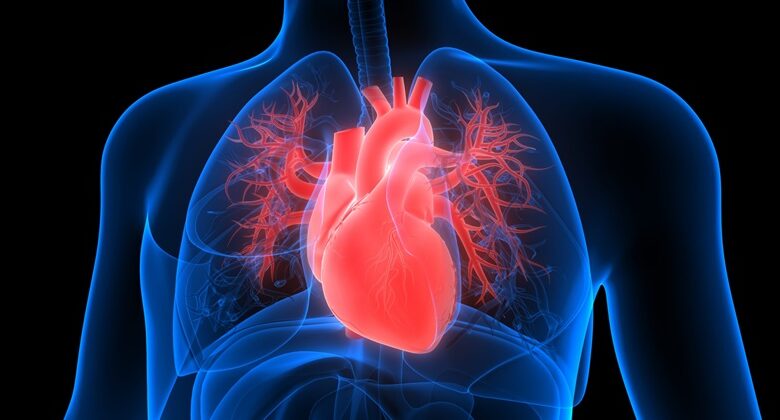
While heart failure is usually characterised by extreme chest pain, where you may eventually collapse, doctors say it is a product of a few things that happen over time, slowly. According to renowned cardiologist Dr Dmitry Yaranov, while chest pain is a crucial sign, heart failure does have other little-known symptoms, one of which includes coughing when you are lying down.
According to him persistent cough in heart failure happens due to the buildup of fluid in the lungs, which leads to potential complications and treatment challenges. Recognising a cardiac cough not just helps manage worsening symptoms of heart failure but also guides a timely response.


How is a cough a sign of your heart not working properly?
Congestive heart failure, or CHF, happens when the heart cannot pump blood efficiently to meet your body’s needs. This causes blood and fluids to back up, collecting in the lungs and legs. Fluid buildup in the lungs can lead to pulmonary oedema – an extremely serious condition. A persistent cough is one of its early signs. “A cough that worsens when lying down isn’t always the lungs; sometimes it’s the heart struggling to keep up. If it feels ‘different’ than a cold, pay attention,” said Dr Yaranov.
When should you consult a doctor?
- You develop a persistent cough for no known reason.
- You start coughing after a treatment change.
- Your cough comes with symptoms like chest pain, irregular heartbeats, swollen ankles and feet, or a weight gain of 2-3 pounds overnight or 5 pounds in a week.
According to experts, over-the-counter decongestants containing pseudoephedrine and phenylephrine can raise your blood pressure and worsen the symptoms of heart failure. If you have CHF, these should only be used under the direction of your doctor.
What is heart failure?
Heart failure is a long-term condition in which your heart is not able to pump blood well enough to meet your body’s needs. Your heart is still working. But because it cannot handle the amount of blood it should, blood builds up in other parts of your body.
Most of the time, it collects in your lungs, legs, and feet. Think of it like a shipping department that is not able to keep up with getting all the shipments where they need to go. The shipping department is always running behind, and things pile up. When things pile up, they cause issues.
- Other symptoms of heart failure
- Breathlessness
- Waking up short of breath at night while sleeping
- Severe chest pain
- Heart palpitations
- Fatigue even when you are active
- Swelling in your ankles, legs, and abdomen
- Weight gain
- Need to urinate while resting at night
- A full, bloated, or hard stomach
- Loss of appetite or upset stomach