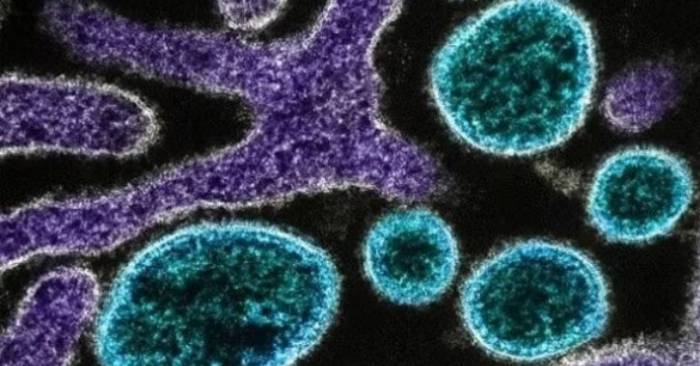
A recent case of Nipah virus infection in Kerala has raised significant health concerns. A 24-year-old man from Malappuram, who died on September 9, was confirmed to have Nipah virus, as announced by Kerala Health Minister Veena George. This outbreak highlights the importance of understanding the virus, its symptoms, and effective preventive measures.
Background


The deceased had recently returned from Bengaluru, and his condition prompted a death investigation by the Regional Medical Officer. Samples tested positive for Nipah at Kozhikode Medical College. In response, Health Minister George convened a high-level meeting and implemented protocols to contain the virus. Five close contacts of the deceased, exhibiting mild symptoms, are currently isolated and under observation.
Signs and Symptoms
Nipah virus infection manifests with a range of symptoms, which can escalate from mild to severe:
Early Symptoms:
Fever: High temperature is often the first sign.
Headache: Severe headaches are common.
Muscle Pain: Myalgia or muscle aches.
Sore Throat: Pain and irritation in the throat.
Dizziness: Lightheadedness or unsteadiness.
Vomiting: Nausea and vomiting.
Acute Respiratory Distress: Difficulty breathing.
Severe Symptoms:
Encephalitis: Inflammation of the brain causing drowsiness, confusion, and altered consciousness.
Seizures: Uncontrolled muscle spasms.
Coma: In extreme cases, coma may occur.
Long-term Complications:
Persistent Neurological Issues: Survivors may experience convulsions and personality changes.
Incubation Period
The incubation period ranges from 4 to 14 days but can extend up to 45 days in some cases.
Preventive Measures
To prevent Nipah virus infections, consider the following strategies:
Avoid Contact with Infected Animals: Nipah virus primarily spreads from animals, especially fruit bats and pigs. Avoid consuming fruits potentially contaminated by bats and use protective gear when handling animals.
Proper Food Hygiene: Wash fruits and vegetables thoroughly before consumption. Avoid raw date palm sap and fruit that has fallen to the ground, particularly in areas with Nipah outbreaks.
Human-to-Human Transmission Prevention: Nipah virus can spread through close contact with infected individuals. Healthcare workers should use protective gear like gloves and masks, and maintain strict hygiene protocols. Isolate infected patients and disinfect surfaces frequently.
Avoid Unnecessary Travel: During outbreaks, limit travel to affected areas. Stay informed through local health authorities and follow travel advisories.
The resurgence of Nipah virus in Kerala underscores the need for vigilance and adherence to preventive measures. By understanding the symptoms and implementing appropriate safety protocols, individuals can contribute to controlling the spread of this potentially fatal zoonotic infection.