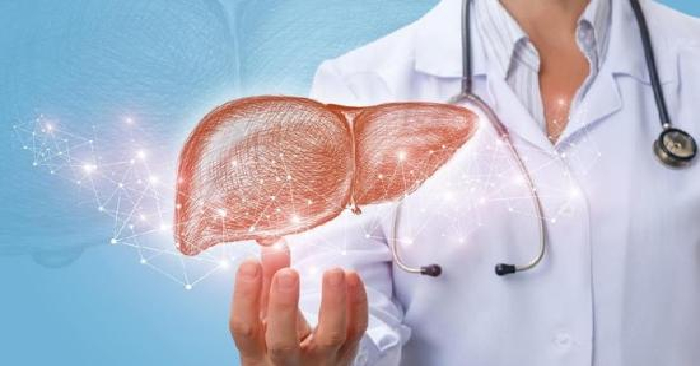
Alcohol is deeply woven into the cultural fabric of many communities, including Keralites who frequently partake in social and traditional drinking rituals. However, the impact of alcohol on liver health cannot be ignored. A healthy liver resembles rich, reddish-brown chocolate. When fat accumulates, it turns yellow, signaling potential liver issues.
Excessive alcohol consumption can lead to inflammation, known as hepatitis, due to the liver’s exposure to harmful substances. Continued damage progresses to fibrosis, where scar tissue begins replacing healthy liver cells. Advanced scarring, or cirrhosis, disrupts liver function significantly and can lead to liver failure, a severe condition requiring medical intervention.


Common myths about alcohol include the belief that moderate drinking is safe, that beer is harmless due to its lower alcohol content, and that alcohol provides warmth in cold weather. These misconceptions overlook the fact that all types of alcohol can cause damage, the amount consumed matters more than the type of drink, and alcohol creates a false sense of warmth by expanding blood vessels without actually increasing body temperature.
Products claiming to protect the liver from alcohol damage are often ineffective. The best protection is reducing or eliminating alcohol consumption. Liver health issues extend beyond liver diseases to include cardiovascular problems, cancer risks, and mental health disorders. Screening methods like Fibroscan, which measures liver stiffness, can help detect early signs of liver disease. Understanding the true impact of alcohol and debunking myths is crucial for making informed health decisions.