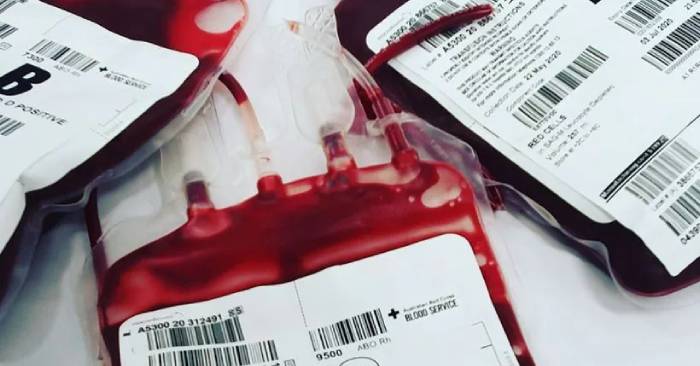
Blood donation is widely acknowledged as a crucial practice that helps replenish medical supplies and save lives. However, emerging research suggests that donating blood might also offer notable health benefits to the donor.
Recent findings from the Francis Crick Institute in London indicate that frequent blood donation may influence genetic mutations in a way that could lower the risk of blood cancers. A study comparing long-term donors with infrequent donors found that regular donors had different genetic mutations in their blood-forming stem cells, possibly promoting healthier cell regeneration. These mutations, when studied in laboratory settings, behaved differently from those commonly linked to leukemia, hinting at a potentially protective effect.


Beyond cancer risk, donating blood regularly helps stimulate the production of new red blood cells, ensuring a continuous renewal process that may contribute to overall blood health. Some studies suggest it may also enhance insulin sensitivity, which could play a role in reducing the risk of type 2 diabetes.
Another major advantage is its potential impact on cardiovascular health. Blood viscosity, or thickness, plays a key role in heart disease. Thick blood increases the risk of clotting, hypertension, and stroke. By donating blood, individuals may naturally lower blood viscosity, easing the workload on the heart and reducing cardiovascular complications. Additionally, regular donation helps maintain balanced iron levels, preventing excess iron buildup, which is associated with oxidative stress and inflammation—two contributors to heart disease.
Moreover, blood donors receive routine health screenings before every donation. While not a substitute for medical check-ups, these screenings help detect issues like high blood pressure, low hemoglobin levels, or infections early on.
Despite these promising findings, researchers continue to explore whether blood donation directly improves health or if these benefits stem from the “healthy donor effect,” as blood donors are typically required to meet strict health criteria. Nevertheless, donating blood remains an essential act of kindness that not only saves lives but may also bring unexpected health rewards to the donor.