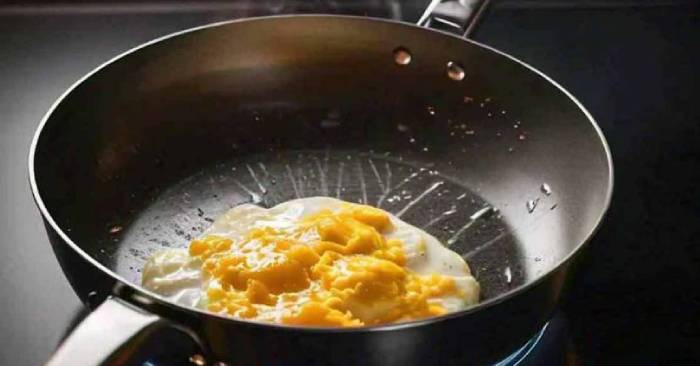
Teflon flu, also known as polymer fume fever, is a condition caused by inhaling toxic fumes released from overheated nonstick cookware. Nonstick pans, coated with Teflon, are popular for their convenience but can pose health risks when used improperly.
What is Teflon?
Teflon is a synthetic polymer known as polytetrafluoroethylene (PTFE), which creates a non-stick and frictionless surface on cookware. This makes it easy to cook with and clean.


How Does Teflon Cause Teflon Flu?
Teflon-coated cookware is safe for typical cooking temperatures. However, if heated above 500°F (260°C), the coating can break down and release harmful fumes. These fumes contain oxidized and fluorinated substances that can lead to Teflon flu when inhaled.
Symptoms of Teflon Flu
Fever and chills
Fatigue
Headache
Difficulty breathing
Vomiting
Chest tightness
Joint and muscle aches
How to Prevent Teflon Flu
Avoid Overheating: Do not overheat nonstick cookware. Always cook at moderate temperatures and avoid heating pans without food.
Air Circulation: Ensure good ventilation in your kitchen. Use an exhaust fan to help disperse any fumes that may be released.
Replace Damaged Cookware: If you notice that the nonstick coating on your pans is peeling or damaged, replace them immediately. Damaged cookware can emit more toxic fumes.
Proper Cleaning: Clean nonstick cookware with soft scrubbers or sponges. Avoid using abrasive scrubbers, which can scratch the surface and damage the coating.
Consider Alternatives: For safer cooking, consider using stainless steel or cast iron cookware, which do not have the same risks associated with overheating.
By following these guidelines, you can minimize the risk of Teflon flu and ensure safer use of nonstick cookware in your kitchen.