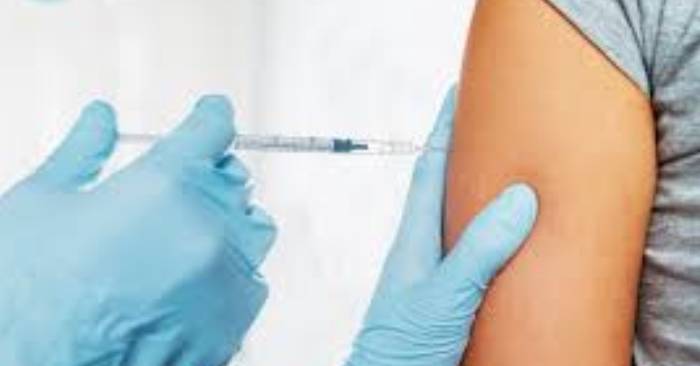
A recent report from the Centers for Disease Control and Prevention (CDC) reinforces the effectiveness of the HPV vaccine in significantly lowering the risk of cervical cancer, particularly among young females. The report, published on February 27, provides compelling evidence that the widespread administration of the HPV vaccine has led to a sharp decline in the prevalence of precancerous cervical lesions.
Between 2008 and 2022, cervical cancer screening data revealed an 80% reduction in precancerous lesions among women aged 20 to 24. This finding further strengthens existing research supporting the vaccine’s role in cancer prevention. Human papillomavirus (HPV) is a common sexually transmitted infection, with most cases being asymptomatic and resolving naturally. However, high-risk strains of HPV can persist in the body and lead to severe health complications, including cervical cancer in females and various other cancers in males.


According to CDC estimates, HPV is responsible for approximately 37,800 cancer cases annually in the United States. Cervical cancer remains a leading cause of cancer-related deaths in women worldwide, making prevention strategies such as vaccination critical in reducing mortality rates. Health experts widely recommend the HPV vaccine for young females to protect against cervical cancer and for young males to prevent the spread of HPV and lower their own risk of HPV-associated cancers.
Despite the vaccine’s proven benefits, not all eligible individuals receive it. The CDC reports that while 76.8% of adolescents have received at least one dose, only 61.4% have completed the full vaccination series. Since its introduction in 2006, the HPV vaccine has been recommended for children around ages 11 or 12, with some eligible for early vaccination at age nine. The recommendation was later extended to young males in 2011. Unvaccinated individuals can receive the shot up to age 26, and in some cases, adults up to age 45 may still benefit from vaccination after consulting their healthcare provider.
One of the major challenges in HPV prevention is the lack of awareness and misinformation about the virus. Many people mistakenly believe that HPV only affects women, despite its association with multiple cancers, including throat, anal, and penile cancers in men. Additionally, while there are HPV screening tests available for women, there are no equivalent tests for men, meaning many carriers may unknowingly transmit the virus to their partners.
Medical experts stress that HPV vaccination is most effective when administered before potential exposure to the virus, typically through sexual contact. The vaccine helps prevent 90% of cervical cancer cases, making it a crucial tool in long-term cancer prevention. The body’s immune system can clear most HPV infections naturally, but certain high-risk strains can persist for years, leading to the development of cancer.
In addition to vaccination, regular cervical cancer screenings remain essential. The U.S. Preventive Services Task Force (USPSTF) has introduced updated guidelines, including HPV tests, Pap smears, and co-testing methods to enhance early detection. Notably, new recommendations allow for self-collected HPV tests starting at age 30, making screening more accessible and potentially increasing participation rates.
With strong scientific backing, the HPV vaccine continues to prove its effectiveness in reducing cervical cancer cases. As vaccination rates improve and awareness grows, the number of HPV-related cancer cases is expected to decline, ultimately saving lives and reducing the burden of cancer on public health systems.