
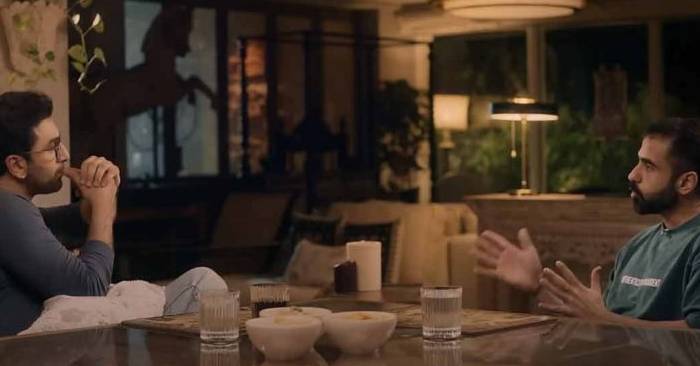
Ranbir Kapoor and Nikhil Kamath’s discussion on men’s mental health highlights important aspects of this often under-addressed issue. Their candidness about their personal experiences sheds light on the broader challenges men face regarding mental health.
Key Points from Their Discussion:


Emotional Distance and Vulnerability: Ranbir Kapoor’s revelation about his relationship with his father and his struggles with expressing emotions, even during critical moments, underscores a common issue. Many men, due to societal expectations, find it challenging to openly express vulnerability or seek emotional support.
Mental Health Stigma: Both Ranbir and Nikhil touched on the stigma surrounding mental health, especially for men. Despite acknowledging the need for help, many men find it difficult to seek therapy or admit to their struggles. The WHO study highlights that men are less likely than women to seek help and are more prone to severe outcomes, including suicide.
Importance of Therapy: Ranbir’s experience with therapy, although it didn’t work for him, contrasts with Nikhil’s positive experiences. This shows that finding the right therapist can be crucial. Therapy isn’t a one-size-fits-all solution, but it can be beneficial for many if approached correctly.
Practical Tips for Men’s Mental Health:
Acknowledge Emotions: Recognizing and validating emotions is crucial, especially if traditional gender norms discourage emotional expression.
Identify Symptoms: Be aware of mood swings, sleep issues, concentration problems, and changes in appetite, as they can signal mental health concerns.
Journaling and Support Systems: Keeping a journal and opening up to friends can provide relief and support.
Healthy Coping Mechanisms: Avoid unhealthy coping mechanisms like substance abuse or overwork. Instead, engage in hobbies, exercise, and a balanced diet.
Seek Professional Help: Find a therapist who aligns with your needs and offers the right support.
Conclusion: The discussion between Ranbir Kapoor and Nikhil Kamath brings valuable attention to men’s mental health, emphasizing that it’s okay to seek help and express emotions. Their experiences reflect broader societal issues and highlight the need for more open conversations and supportive systems for mental health.