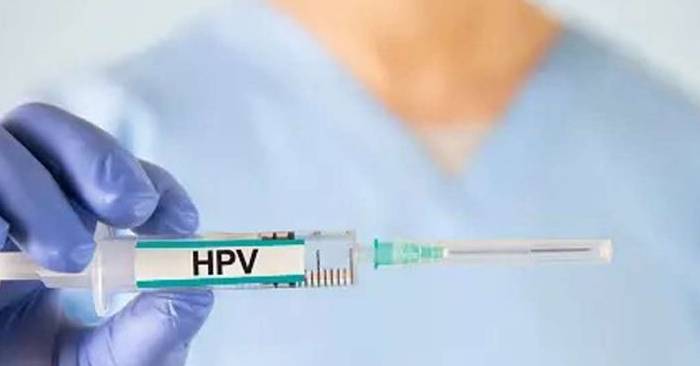
A recent study conducted by researchers at Universidad Nacional de Cordoba in Argentina has highlighted a concerning link between high-risk Human papillomavirus (HPV) infections and male infertility. Published in Frontiers in Cellular and Infection Microbiology, the study underscores that HPV, a prevalent sexually transmitted infection, can significantly impact sperm quality and quantity, potentially leading to infertility in men.
The research indicates that high-risk HPV genotypes are associated with adverse effects on sperm. Men infected with these genotypes exhibit increased sperm death due to oxidative stress and a compromised immune response. The study, which involved 205 adult males who sought evaluation for reproductive or urinary issues, found that while 19% of the participants tested positive for HPV, it was specifically the high-risk HPV (HR-HPV) strains that were linked to reduced sperm quality. This is contrary to the low-risk HPV (LR-HPV) strains, which did not show similar effects on semen quality.


Dr. Virginia Rivero, a professor at the university, emphasized that HR-HPV infections negatively affect male fertility and the immune system’s ability to combat infection. The findings are particularly alarming as they reveal that 1 in 3 men over the age of 15 are partially infected with genital HPV, with 1 in 5 having high-risk strains. This highlights a growing concern about HPV’s impact on male reproductive health, an area that has traditionally been less studied compared to its effects on female health, where HPV is a well-known risk factor for cervical cancer.
The study calls for further research into how HR-HPV affects sperm DNA quality and its broader implications for reproductive health and offspring development.