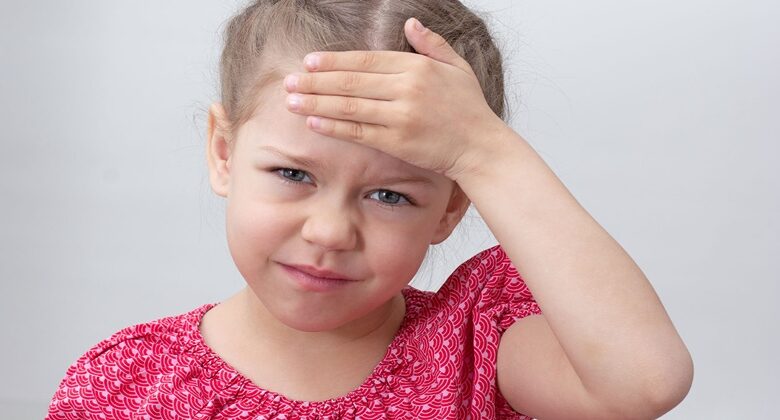
Meningitis is also known as swelling or inflammation of the brain and spinal cord tissues, which makes children and teenagers more susceptible to this life-threatening infection. According to doctors, meningitis can be caused by medications, injuries, and conditions such as cancer and even lupus – but the most common cause is infection.
Experts believe children and adolescents are particularly vulnerable to meningitis compared to adults due to a combination of factors related to their immune system development and social behaviour.


What causes meningitis vulnerability in children?
- Immature immunity: Babies and young children have less developed immune systems than older age groups. They may have reduced numbers and functionality of innate and adaptive immune cells, which means their bodies are less effective at fighting off the bacteria and viruses that cause meningitis.
- Loss of maternal immunity: Infants are protected by antibodies passed from their mother, but this passive immunity wanes around 6 months of age, creating a window of vulnerability until their own immune system is robust.
- Lack of acquired immunity; Babies and small children have had less time to be exposed to and build up natural immunity against the various strains of disease-causing bacteria and viruses.
- Underlying medical conditions: Children with certain medical conditions, like a history of frequent sinus infections, brain surgery, or those who have cochlear ear implants, are at greater risk.
- Head injury can also increase a child’s risk of developing meningitis.
- Lack of Vaccination: Children who are not up-to-date on recommended vaccinations, like the Hib vaccine and pneumococcal vaccine, are at higher risk for certain types of meningitis.
Signs and symptoms of meningitis
1. Neck stiffness
2. Nausea or vomiting
3. Sensitivity to light
4. Confusion or altered mental state
5. Lack of energy or being lethargic, extreme sleepiness, or trouble waking up
6. Lack of appetite
7. Small, round spots that look like a rash
8. Hallucinations
9. Loss of balance
10. Sleepiness or trouble waking up from sleep.
What causes meningitis?
Infectious diseases are caused by something harmful from outside of your body, and non-infectious conditions cause meningitis. Infectious causes are bacteria, viruses, fungi, parasites, and the amoeba Naegleria fowleri. Non-infectious causes include diseases, certain medications, and other conditions.
Causes of bacterial meningitis
Streptococcus pneumonia.
Group B Streptococcus.
Neisseria meningitides.
Haemophilus influenzae.
Listeria monocytogenes
E. coli
Mycobacterium tuberculosis
Causes of viral meningitis
Non-polio enteroviruses
Mumps
Herpesviruses
Measles
Influenza
Arboviruses
Lymphocytic choriomeningitis virus
Causes of fungal meningitis
Coccidiodes
Causes of parasitic meningitis
Angiostrongylus cantonensis
Baylisascaris procyonis
Gnathostoma spinigerum