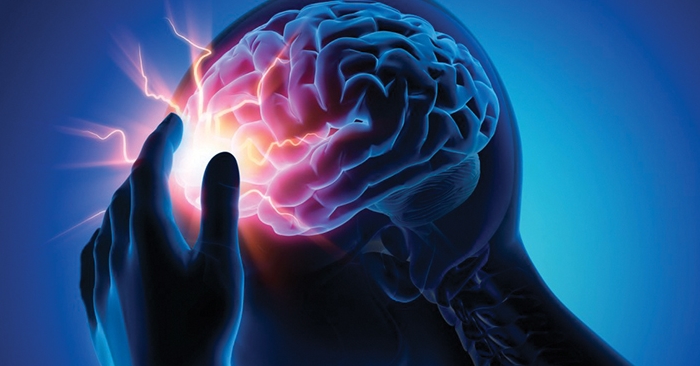
Stroke remains one of the leading causes of death worldwide, with the World Health Organization (WHO) estimating that nearly 1.5 billion people are diagnosed with this condition each year. Although factors like age, gender, and genetics contribute to stroke risk, certain lifestyle adjustments can significantly reduce the likelihood of a stroke. Here’s a breakdown of key lifestyle habits that can lower stroke risk, along with critical warning signs to recognize.
Diet and Nutrition
Maintaining a balanced diet plays an essential role in stroke prevention. WHO recommends a diet rich in vegetables, fruits, whole grains, and lean proteins while minimizing trans fats, saturated fats, and added sugars. Reducing daily salt intake to less than 5 grams helps keep blood pressure in check, a vital factor in stroke prevention. High-sodium foods like pickles should be enjoyed sparingly.


Exercise and Weight Management
Engaging in regular physical activity, like brisk walking, swimming, or cycling, for at least 15 minutes a week, can enhance cardiovascular health, regulate weight, and support blood pressure management. Maintaining a healthy body weight (typically with a BMI under 25) through diet and exercise also reduces stroke risk, as obesity is a major stroke factor.
Managing Diabetes and Blood Pressure
High blood sugar levels, commonly associated with diabetes, increase stroke risk. To regulate blood sugar, prioritize healthy eating, exercise, and any necessary medication. Regular blood sugar checks and medical evaluations help prevent complications. Blood pressure is another critical factor; monitoring it routinely can help catch signs of stroke early.
Sleep Apnea and Family History
Sleep apnea, marked by loud snoring and excessive daytime sleepiness, can elevate stroke and heart disease risk. If these symptoms are present, seeking medical advice is crucial. Likewise, a family history of stroke or heart disease may signal a genetic predisposition, making early diagnosis and lifestyle guidance essential.
Recognizing Stroke Symptoms
Key indicators of stroke include facial drooping, limb weakness, and speech difficulties. These symptoms signal the need for immediate medical attention. The first four hours after symptom onset, known as the “window period,” are critical for effective treatment. Early intervention with medications to prevent blood clotting can improve recovery outcomes.
A balanced diet and active lifestyle not only reduce the risk of stroke but also support overall health. Taking proactive steps today can greatly influence long-term well-being and help avoid a stroke in the future.