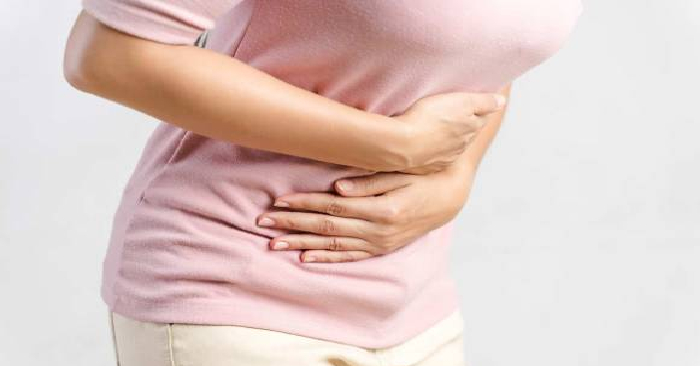
Experiencing pain in your right shoulder? While shoulder pain is commonly associated with musculoskeletal issues, in some cases, it could indicate an underlying problem with your gallbladder. Gallstones—solid deposits of cholesterol, bilirubin, and calcium salts—can form in the gallbladder and range in size from tiny grains of sand to as large as a golf ball. These stones may cause severe abdominal pain, nausea, fever, jaundice, and changes in stool and urine color. However, some people might also experience referred pain in the right shoulder.
How Gallstones Can Cause Shoulder Pain
Dr. Sandeep Aggarwal, Chairman at the Manipal Institute of Minimal Access, Bariatric, GI & Robotic Surgery, Manipal Hospital Dwarka, New Delhi, explains that while shoulder pain alone is not a common symptom of gallstones, it can occur when gallbladder inflammation irritates the phrenic nerve, which shares pathways with the shoulder region. This results in a phenomenon known as referred pain—where discomfort is felt in an area away from the actual source of the problem.


Other Possible Causes of Right Shoulder Pain
It is essential to differentiate gallstone-related shoulder pain from other conditions that may cause similar discomfort. Other medical issues that can lead to right shoulder pain include:
Pleuritis or pneumonia – Infections affecting the lungs can lead to referred pain in the shoulder.
Fluid accumulation under the diaphragm – This can occur due to infections or post-surgical complications.
Musculoskeletal problems – Rotator cuff injuries, arthritis, or nerve compression could be the real culprit behind shoulder discomfort.
Additional Symptoms of Gallstones
If you suspect gallstones, watch out for these warning signs:
Indigestion or bloating: Feeling full or experiencing discomfort in the upper abdomen, especially after consuming fatty foods like dairy or meat.
Dark urine and pale stool: A blockage in the bile duct can cause changes in urine and stool color.
Intense nausea: The digestive system may become irritated, leading to frequent nausea and vomiting.
Fever and chills: If the gallbladder becomes infected, fever and chills may accompany other symptoms.
Gallstone-induced pancreatitis: If a gallstone blocks the pancreatic duct, it can cause severe abdominal pain and vomiting, requiring urgent medical attention.
Treatment Options for Gallstones
Managing gallstones depends on the severity of the condition. Some common treatment approaches include:
Dietary changes: Patients awaiting surgery are often advised to follow a low-fat diet to minimize complications.
Gallbladder removal surgery: The most effective treatment for symptomatic gallstones is gallbladder removal (cholecystectomy), which can be performed using minimally invasive laparoscopic or robotic-assisted techniques.
If you are experiencing persistent right shoulder pain along with digestive symptoms, consulting a doctor is essential to determine the underlying cause and receive appropriate treatment.