Seven Indian states have restricted cough syrup after several children died, allegedly. This move comes after the Uttar Pradesh government also imposed a ban earlier today. The crackdown began after at least 14 children died in Madhya Pradesh’s Chhindwara district since early September, with additional suspected deaths in Rajasthan.
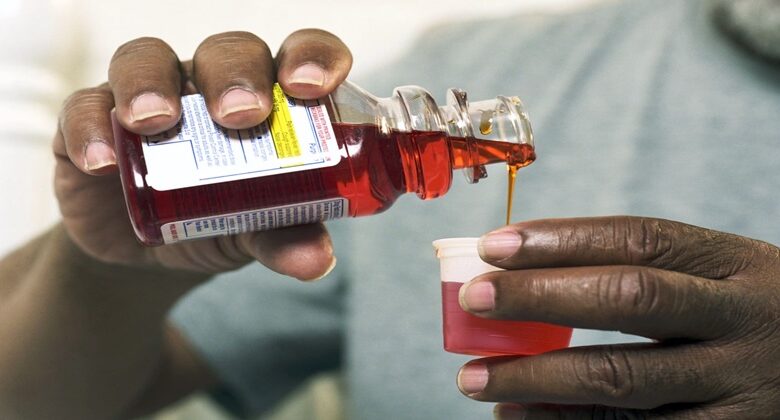
Investigations revealed that Coldrif Cough Syrup, manufactured by Sresan Pharmaceuticals in Tamil Nadu, contained dangerously high levels of diethylene glycol (DEG), a toxic industrial solvent. Laboratory tests by the Drug Testing Laboratory in Chennai found Coldrif samples contained 48.6% diethylene glycol (DEG), far exceeding safe limits.


DEG poisoning can cause severe kidney damage and neurological harm, and has historically been linked to deadly mass poisonings. Tamil Nadu’s Directorate of Drug Control declared the syrup “Not of Standard Quality.”
States impose restrictions
1. Tamil Nadu was the first to ban the syrup statewide starting October 1.
2. Madhya Pradesh followed, suspending sales after child deaths were confirmed.
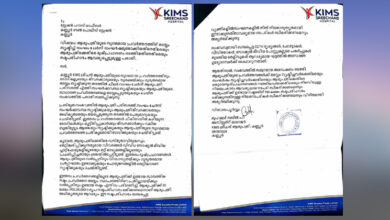
3. Kerala temporarily suspended sales and recalled stocks as a precaution, despite not distributing the tainted batch.
4. Telangana issued a public alert urging citizens to stop using the syrup immediately.
5. Rajasthan and Uttar Pradesh also imposed bans amid growing concerns.
6. Karnataka has now officially banned the syrup, joining this growing list of states acting decisively.
The incident has renewed scrutiny of India’s pharmaceutical industry. In 2022, the World Health Organisation (WHO) linked cough syrups made by another Indian company to the deaths of 70 children in The Gambia. A year later, the WHO again warned against two cough medicines made in India after Uzbekistan linked the syrup to the deaths of at least 18 children.
A fifth global warning against India-made medication in 10 months was issued after medicines contaminated with toxins were found in Iraq. India provides 20% of the world’s supply of generic medicines, according to a Press Information Bureau (PIB) statement in May.
These are cheaper versions of drugs produced once patents expire. Its pharmaceutical industry ranks third in the world by volume, the Indian government agency added. In 2011, a study published by the Indian Journal of Pharmacology found that while generic drugs were five to six times cheaper than their branded equivalents, there was no significant difference in quality.
The Union Health Ministry has advised doctors against prescribing cough and cold syrups to children under two years of age. The Directorate General of Health Services (DGHS) reinforced that such medications are not recommended for children under five unless necessary, and then only with careful medical supervision and appropriate dosing.