In an unusual medical case from Florida, a 40-year-old man sought treatment after noticing a thick, yellowish fluid seeping from his skin. To the astonishment of doctors at a Tampa hospital, the substance was identified as cholesterol. The man reported the oozing fluid from his hands, legs, and knees over a three-week period, though he experienced no pain. Upon investigating his diet and lifestyle, the doctors discovered he had been adhering to a carnivore diet for the past eight months in an effort to lose weight.
The carnivore diet, a variant of the ketogenic diet, emphasizes high-fat and moderate-protein consumption, with an almost complete exclusion of carbohydrates. The man’s daily intake included 2.7 kilograms of cheese and 4.1 kilograms of butter, with fat comprising 70–75% of his calorie consumption. While he initially felt energetic and experienced significant weight loss, his cholesterol levels soared to over 1000 mg/dL, far exceeding the healthy range of 200 mg/dL. Alarmingly, his cholesterol level before starting the diet was a mere 210 mg/dL.


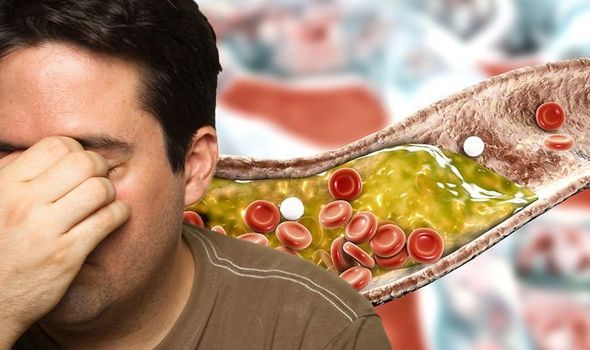
Doctors linked the man’s symptoms to xanthelasma, a condition marked by cholesterol deposits under the skin, often caused by elevated LDL (low-density lipoprotein) cholesterol levels. Although these deposits are typically harmless, they indicate potential risks such as limited blood flow to the heart and cardiovascular complications.
Medical experts caution against extreme or unmonitored diets, highlighting the potential for kidney damage, gout, and bone density loss as noted by Harvard Medical School. This case underscores the importance of seeking professional guidance from dieticians and fitness experts when attempting to alter eating habits for weight loss or other health goals.