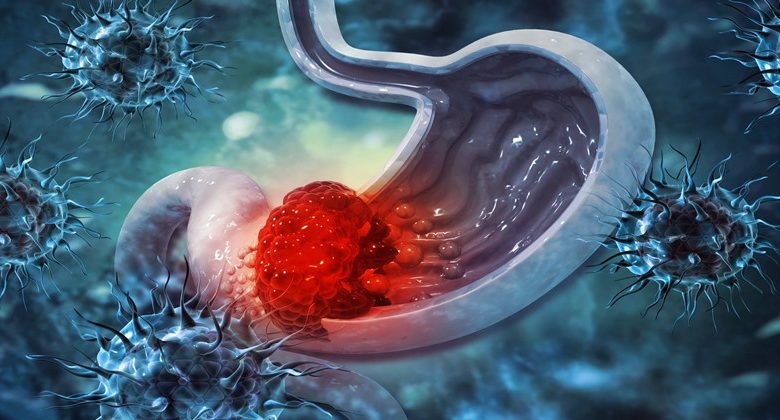
A common bacteria found in the stomach could cause nearly 12 million cancers among people born over a single decade, a new research suggests. Throughout their lives, 15.6 million people born between 2008 and 2017 are expected to develop stomach cancer, and 76 per cent may be caused by the Helicobacter pylori bacteria, according to a study published in the journal Nature Medicine. Stomach cancer is largely preventable, but the prognosis is poor once a patient is diagnosed.
It is the fifth most common form of cancer worldwide, killing an estimated 770,000 people per year. Chronic infection with H. pylori is a major cause, and it helps explain the rise in stomach cancers among young people in recent years, the study found. Most people are infected with H. pylori as children, and they may be infected for years without knowing it because the infection doesn’t cause symptoms.


But it can also cause ulcers or inflammation in the stomach lining. The bacteria can spread by mouth, for example kissing, or through contact with vomit or stool. They projected that under current trends, 11.9 million people could be diagnosed with stomach cancer attributable to H. pylori infection by 2101, which is the year someone born in 2017 would turn 84.
The vast majority of bacteria-linked stomach cancer cases, 8 million, are expected in Asia. Another nearly 471,000 cases are projected in the European Union, the United Kingdom, Switzerland, Norway and Iceland. The burden of stomach cancer is also shifting globally.
While sub-Saharan Africa currently has relatively few cases, the researchers expect stomach cancer cases tied to H. pylori to rise to 1.4 million by 2101 – six times higher than the rate in 2022 – due to ageing and population changes. Researchers called for countries to invest in initiatives to screen and quickly treat people for H. pylori infection. Their analysis shows that such programmes could reduce the number of expected stomach cancer cases by up to 75 per cent.