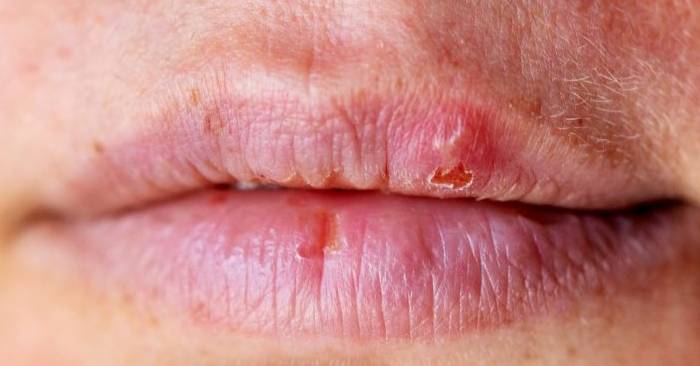
Lip cancer is a type of oral cancer that occurs on the lips, often beginning in the thin, scaly layer of skin called the squamous cells. It can be detected early if the symptoms are recognized in time. One common sign is the presence of persistent sores in the mouth that fail to heal, which may be red in light-skinned individuals or greyish-brown in those with darker skin tones. Even if these sores temporarily heal, cancer may still exist, as the infection can linger in the body.
How Does Lip Cancer Spread?
The spread of lip cancer varies from person to person. Some may experience rapid metastasis, while in others, it spreads at a moderate pace. The risk factors for spread depend on the location of the lesions and the stage at which treatment begins. According to a 2017 study, lip cancer can spread within 10–12 months, but in some cases, it may metastasize to other body parts in as little as three months. If untreated, it can spread to lymph nodes, the jawline, lungs, and other tissues in the body.


Symptoms of Lip Cancer:
Persistent lesions or sores in the mouth that do not heal
Hard cysts on the lips
White or red spots on the lips
Tingling, pain, or swelling on the lips
Bleeding on the lips
Changes in the color or structure of the lips
Difficulty moving the jaw or swallowing
Swelling in the lymph nodes of the neck
Causes of Lip Cancer:
Use of tobacco products, including cigarettes, cigars, pipes, or beedis
Excessive alcohol consumption
Being Caucasian
Age over 40
Human Papilloma Virus (HPV)
Weakened immune system
Treatment:
Early detection is crucial in treating lip cancer. Depending on the stage, treatment may include surgery to remove the affected tissue, radiation therapy, and chemotherapy. Regular check-ups, reducing risk factors like tobacco and alcohol use, and maintaining a healthy immune system can help in prevention.