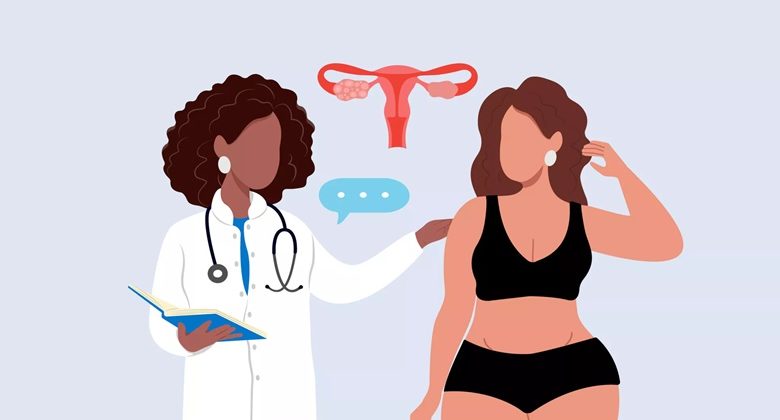
Polycystic Ovary Syndrome (PCOS) is a hormonal imbalance that occurs in individuals during their reproductive lifespan. Key indicators include irregular or extended menstrual cycles and elevated levels of androgen. A hallmark of PCOS is the presence of multiple small, fluid-filled follicles (containing immature eggs) that develop on the outer surface of the ovaries, commonly termed cysts. These follicles typically fail to release eggs consistently. Although the precise etiology of PCOS is not yet understood, timely diagnosis, appropriate treatment, and weight management can mitigate the risk of developing long-term complications such as type 2 diabetes and heart disease.
What causes PCOS?


While the exact cause of Polycystic Ovary Syndrome (PCOS) remains unknown, research indicates that both genetic and environmental factors contribute to its development. Recent studies suggest 19 potential genetic variants may increase a person’s risk. Notably, researchers identified these variants in both females and males, despite PCOS typically being considered an ovarian-related condition.
Symptoms
Symptoms of PCOS often start around the time of the first menstrual period. Sometimes symptoms develop later after you have had periods for a while. The symptoms of PCOS vary. A diagnosis of PCOS is made when you have at least two of these:
1. Irregular periods: Having few menstrual periods or having periods that aren’t regular are common signs of PCOS. So is having periods that last for many days or longer than is typical for a period. For example, you might have fewer than nine periods a year. And those periods may occur more than 35 days apart. You may have trouble getting pregnant. Too much androgen. High levels of the hormone androgen may result in excess facial and body hair. This is called hirsutism. Sometimes, severe acne and male-pattern baldness can happen, too.
2. Polycystic ovaries: Your ovaries might be bigger. Many follicles containing immature eggs may develop around the edge of the ovary. The ovaries might not work the way they should. PCOS signs and symptoms are typically more severe in people with obesity.
When to consult a doctor?
Consult your healthcare provider if you have concerns about your menstrual periods, experience difficulty conceiving, or notice signs of excess androgen. These signs often include new facial and body hair growth, acne, and male-pattern baldness.
Causes:
The exact cause of PCOS isn’t known. Factors that might play a role include:
Insulin resistance: Insulin, a hormone produced by the pancreas, enables cells to utilise sugar, the body’s primary energy source. When cells become resistant to insulin’s action, blood sugar levels rise, prompting the body to produce even more insulin in an attempt to normalise them. Excess insulin, however, can lead to an overproduction of the male hormone androgen, which may in turn disrupt ovulation, the process of egg release from the ovary.
Low-grade inflammation: White blood cells make substances in response to infection or injury. This response is called low-grade inflammation. Research shows that people with PCOS have a type of long-term, low-grade inflammation that leads to polycystic ovaries producing androgens. This can lead to heart and blood vessel problems.
Heredity: Research suggests that certain genes might be linked to PCOS. Having a family history of PCOS may play a role in developing the condition. Excess androgen. With PCOS, the ovaries may produce high levels of androgen. Having too much androgen interferes with ovulation. This means that eggs don’t develop regularly and aren’t released from the follicles where they develop. Excess androgen can also result in hirsutism and acne.
Complications of PCOS can include:
1. Infertility
2 . Gestational diabetes or pregnancy-induced high blood pressure
3 . Miscarriage or premature birth
4 .Nonalcoholic steatohepatitis — a severe liver inflammation caused by fat buildup in the liver
5. Metabolic syndrome — a cluster of conditions including high blood pressure, high blood sugar, and unhealthy cholesterol or triglyceride levels that significantly increase your risk of heart and blood vessel (cardiovascular) disease
6. Type 2 diabetes or prediabetes
7. Sleep apnea
8. Depression, anxiety and eating disorders
9 . Cancer of the uterine lining (endometrial cancer)
10. Obesity commonly occurs with PCOS and can worsen complications of the disorder.