
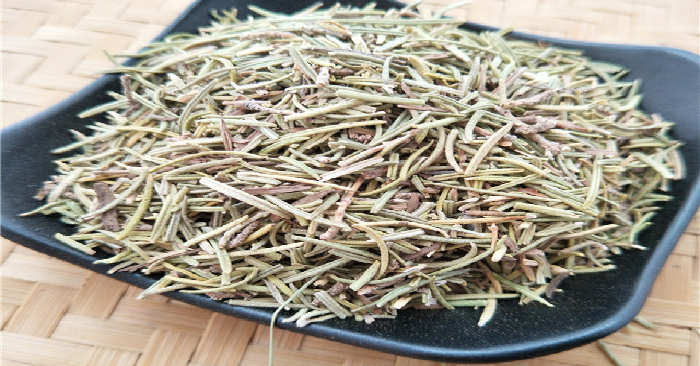
Rosemary oil is widely known for its hair growth benefits and is used in various forms, including oils, sprays, serums, and hair masks. It is often praised for improving scalp health and promoting stronger hair. However, some people experience unexpected hair loss after applying it. Why does this happen? According to dermatologists, while rosemary oil can be effective, improper use may lead to adverse effects, including increased shedding. Here are some potential reasons why rosemary oil might be causing hair fall instead of promoting growth:
1) Incorrect Dilution
If you are using pure rosemary oil without proper dilution, it may be too strong for your scalp, leading to irritation, dryness, and even hair loss. Always mix rosemary oil with a carrier oil like coconut, argan, or sunflower oil before application. A safe dilution ratio is three to five drops of rosemary oil per one tablespoon of carrier oil.


2) Insufficient Scalp Massage
Simply applying the oil is not enough—you need to massage it properly into your scalp. A gentle massage improves absorption and boosts circulation, allowing the oil to work effectively. Leaving it on for at least 30 minutes before washing it off can enhance its benefits.
3) Exposure to Sunlight
Rosemary oil can make your scalp more sensitive to sunlight, leading to scalp irritation, inflammation, or even burns. If you apply it before stepping outside, it may do more harm than good. To prevent this, use the oil at night or indoors and wash it off before sun exposure.
4) Interaction with Medications
Since rosemary oil improves blood circulation, it may interact with certain medications, especially blood thinners. In rare cases, this can lead to excessive bleeding or scalp sensitivity. If you are taking any prescription medications, consult your doctor or dermatologist before using rosemary oil on your scalp or skin.
While rosemary oil can be a powerful natural remedy for hair health, it is important to use it correctly to avoid unwanted side effects. If you experience persistent hair loss after using it, consider adjusting your application method or seeking professional advice to ensure it suits your scalp and hair type.