Heart disease is often common in the current lifecycle, especially in men, but it silently takes a devastating turn on women. The main reason for the heart problems is are lack of awareness. Women don’t just face the same risks as men; they also experience heart disease differently. With fluctuating hormones, pregnancy-related risks, and symptoms that often present in less obvious ways, women’s heart health requires specific attention, and it’s long overdue.
Heart Health: Challenges in Women
For starters, women tend to have smaller hearts and narrower arteries compared to men. And that seemingly minor anatomical detail carries major consequences. As the doctors explain, women are more likely to develop heart disease in the smaller blood vessels of the heart, a condition known as microvascular disease. These tiny vessels don’t show up as easily on standard diagnostic tests like angiograms, which are designed to detect blockages in larger arteries.


That means heart disease in women can be harder to spot, more likely to be misdiagnosed, and often treated too late. According to researchers, women between the ages of 18 to 55 have a higher rate of certain medical conditions that may increase their risk of a heart attack. Some of these conditions include chronic obstructive pulmonary disease (COPD), kidney failure, autoimmune diseases, cancer, and mental health disorders.
In addition to these, certain risk factors common to both men and women tend to affect women differently. For example, high blood pressure in women may develop during pregnancy or as a side effect of birth control pills. Similarly, while estrogen offers protection against high cholesterol, its levels decline after menopause, increasing the risk. All these differences are closely linked to the hormonal changes and fluctuations women experience throughout their lives.
The hormonal changes and fluctuations:
Estrogen, which plays a key protective role in cardiovascular health, begins to decrease during menopause, leading to higher risks of high blood pressure, arterial stiffness, and plaque buildup. Pregnancy-related conditions such as preeclampsia and gestational diabetes can also raise a woman’s long-term risk of heart disease.
There are medical conditions that can take shape during pregnancy, which influence the health of the heart during pregnancy and later in life. This could include common conditions such as gestational diabetes and high blood pressure. During menstruation, estrogen dips, while the stress hormones rise. This can lead to a faster heart rate, putting extra strain on the heart.
Depression can further compound this stress. There are medical conditions that could even emerge during pregnancy, which influence the health of the heart during pregnancy and later in life. This could include common conditions such as gestational diabetes and high blood pressure. The decline of estrogen after menopause
As the estrogen levels lower, the blood vessel walls become stiffer and more prone to inflammation. This accelerates plaque buildup and increases the risk of blockages that can trigger heart attacks.
What are the symptoms of a heart attack in women?
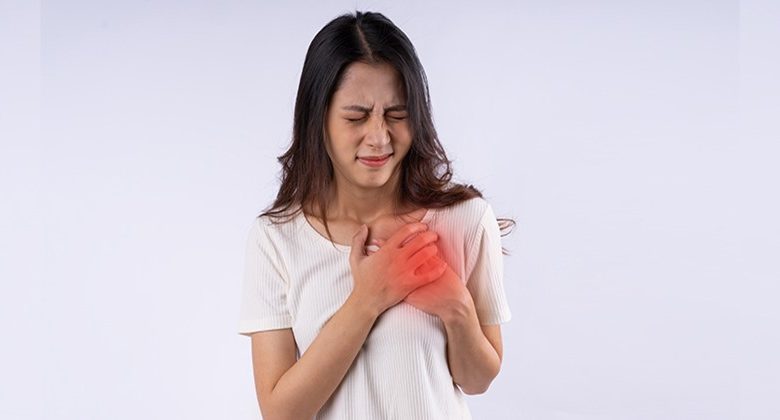
The classic symptom that everyone knows is shooting pain up and down in your left arm. However, for women, it’s a lot trickier to diagnose. In the case of women, they have rather ‘non-classic’ symptoms, which include fatigue, nausea, and abdominal discomfort.
They have pain along the back as well as the jaw. These are all linked to cardiovascular trouble in women; the warning signs of a heart attack. There have been some cases where women have reported fatigue and disturbed sleep patterns, sometimes as much as a month before a heart attack.
How can women protect their cardiac health?
For starters, be aware. You need to be able to manage existing medical conditions that increase the risk of heart disease, and that includes blood pressure. You also need to keep track of diabetes as well as high cholesterol. Another risk factor is diabetes. Diabetes elevates the risk of heart disease in women more than it does in men, perhaps because women with diabetes more often have added risk factors, such as obesity, hypertension, and high cholesterol.
Here’s what you can do:
Be more active: Make sure that you get at least 30 minutes of moderate exercise, such as walking. Introduce small changes into your life, like taking the stairs instead of the elevator.
Eat a balanced diet: Make sure that your diet includes whole grains, a variety of fruits and vegetables, nuts, poly- and monounsaturated fats, fatty fish (such as wild salmon), and limited intake of trans fats.
Reduce stress and treat depression: Find ways to manage your stress levels. Look for relaxation strategies, and make sure you get enough sleep.