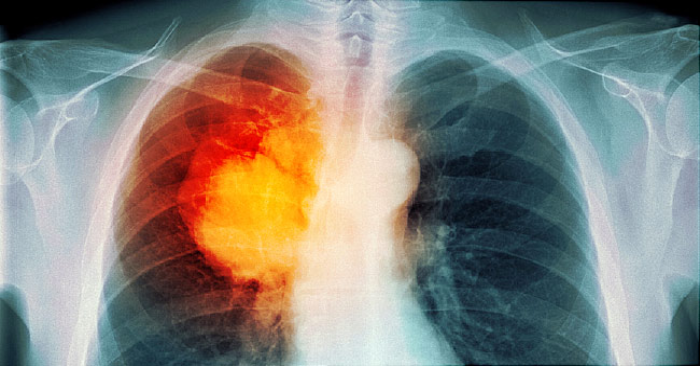
Lung cancer, the most fatal form of cancer worldwide, is now increasingly affecting individuals who have never smoked, particularly women. According to the World Health Organization (WHO), lung cancer accounted for approximately 1.8 million deaths globally in 2022, making it the leading cause of cancer-related mortality. Additionally, around 2.5 million new cases of lung cancer were recorded in the same year, representing about 12% of all cancer cases.
A recent study published in The Lancet Respiratory Medicine highlights a concerning rise in lung cancer cases among non-smokers, primarily due to air pollution. The study, conducted by researchers from the International Agency for Research on Cancer (IARC), indicates that exposure to air pollution significantly increases the risk of developing adenocarcinoma, a dominant lung cancer subtype among non-smokers. Data from the Global Cancer Observatory 2022 revealed that adenocarcinoma accounted for approximately 200,000 cases globally, directly linked to air pollution.


The research further found that lung cancer was the fifth leading cause of cancer-related deaths among non-smokers, with adenocarcinoma responsible for 53% to 70% of cases in this group. Notably, while lung cancer rates in men have generally declined over the past few decades, the incidence among women is rising, reducing the gender gap in lung cancer diagnoses. In 2022 alone, an estimated 1.6 million men and 910,000 women were diagnosed with lung cancer.
One of the key factors contributing to this increase is the persistent exposure to fine particulate matter (PM2.5) and other air pollutants. Regions with high air pollution levels, such as East Asia—especially China—are seeing an alarming surge in adenocarcinoma cases. Researchers noted that household exposure to solid fuel combustion for heating and cooking also plays a role in the rising cases of lung cancer among non-smoking women in these areas.
Despite global efforts to reduce smoking rates, the continued rise in lung cancer cases among non-smokers suggests that air pollution is becoming a dominant carcinogen. Experts stress the need for early detection, as lung cancer often remains undiagnosed until its advanced stages, making treatment less effective. Symptoms such as persistent cough, chest pain, shortness of breath, unexplained weight loss, and fatigue should not be ignored.
Dr. Freddie Bray, head of the Cancer Surveillance Branch at IARC, emphasized that reducing exposure to air pollution is crucial in preventing lung cancer among non-smokers. He noted that the shifting trends in lung cancer cases highlight the need for policymakers to develop and implement stronger strategies for controlling tobacco use and air pollution.
Given that nearly the entire global population lives in areas where air quality fails to meet WHO standards, urgent action is required to mitigate air pollution and its impact on public health. Investing in cleaner energy sources, improving urban air quality, and raising awareness about lung cancer risks associated with pollution are essential steps toward reducing the burden of this deadly disease.