
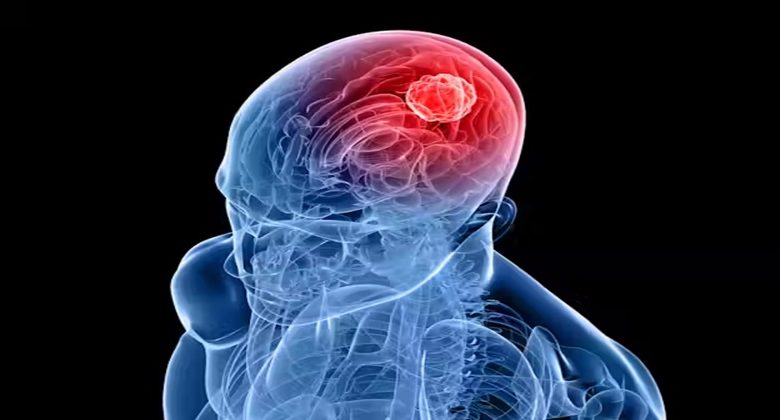
Brain tumours remain one of the most complex and life-altering neurological conditions, yet public awareness about their early warning signs and risk factors is still limited. On World Brain Tumour Day, experts emphasise the urgent need to dispel myths, recognise subtle symptoms and promote timely diagnosis to improve outcomes.
Observed annually on June 8th, World Brain Tumour Day is a call to action for the growing need to raise awareness of brain tumours, unusual growths of cells in or around the brain that are malignant (cancerous) or benign (non-cancerous). Early diagnosis is the cornerstone of successful treatment and better patient outcomes.


What is a Brain Tumour?
A brain tumour occurs when abnormal cells grow abnormally in or near the brain. While some tumours grow slowly and are benign, others can impact brain function significantly and prove to be deadly if they are not diagnosed and treated in time.
Warning Signs You Should Not Overlook
- Morning headaches on a daily or frequent basis
- Nausea or vomiting not related to any other disease
- Sudden visual changes like double or blurred vision
- Convulsions or fits in a person with no history
- Numbness or weakness of the limbs or one side of the body
- Memory loss, confusion, or personality changes
- Difficulty with speech or language comprehension
Who is at Risk of developing a brain tumor?
- Even though anyone may develop a brain tumour, certain risk factors increase the likelihood:
- Advancing age
- Family history or genetic susceptibility
- Prior radiation exposure to the head
- Long-term mobile phone use (evidence is still being studied)
Diagnosis and Treatment
Brain tumours are confirmed by imaging tests such as MRI and CT scans, and neurological examinations. Treatment typically involves a combination of surgery, radiotherapy, and chemotherapy. Newer techniques and methods such as stereotactic radiotherapy and robot-assisted procedures are increasingly being used to make the treatments more focused and less invasive. Recurring headaches, fits, or neurological symptoms must not be ignored. Early diagnosis not only enhances the survival rate but also the quality of life.