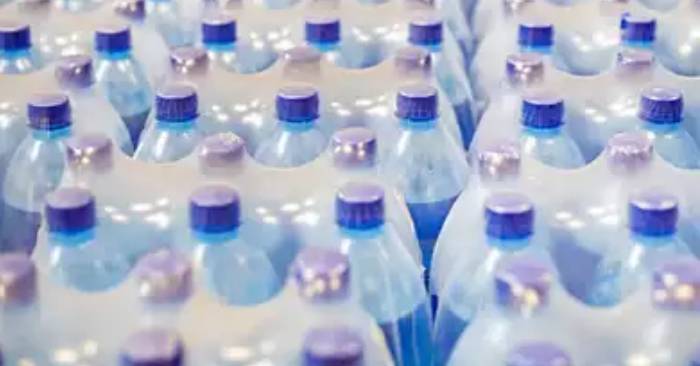
Packaged drinking water, often perceived as a safe alternative for hydration, is now classified as a “High-Risk Food Category” by the Food Safety and Standards Authority of India (FSSAI). This decision comes after the FSSAI acknowledged that the lack of mandatory Bureau of Indian Standards (BIS) certification for some water products posed a potential safety risk. In response, the FSSAI has introduced stringent regulations, including mandatory annual inspections and third-party audits for manufacturers of packaged drinking and mineral water.
Under the new guidelines, these manufacturers will undergo risk-based inspections annually, as well as before receiving licenses or registrations to operate. This move comes as part of FSSAI’s updated Risk-Based Inspection Policy, which now includes packaged drinking and mineral water within the high-risk food category. The inspections will help ensure that water products meet the required safety standards.


Previously, the packaged drinking water industry had requested simplified compliance procedures, including the removal of the dual certification requirement from both FSSAI and BIS. However, with the updated regulations, FSSAI aims to ensure higher safety standards across the industry, minimizing potential health risks associated with unsafe water products. The new norms aim to strengthen food safety practices and protect consumers.
These new measures by the FSSAI highlight the growing emphasis on food safety and consumer protection in India. By categorizing packaged drinking and mineral water as high-risk items, the regulator aims to address potential health hazards linked to water contamination. The mandatory third-party audits and annual inspections will ensure greater accountability within the industry and promote higher compliance with safety standards. While the move may initially seem burdensome for manufacturers, it is ultimately designed to boost consumer confidence and ensure that only safe, quality water reaches the market, contributing to better public health outcomes.