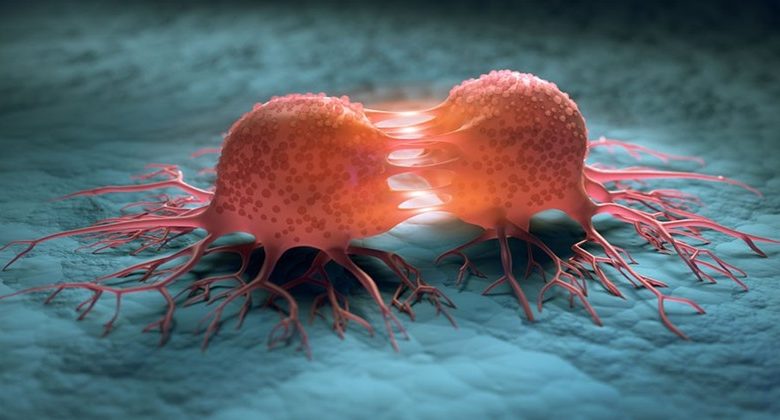
A recent study by a team of Chinese scientists has revealed that the spread of cancer from original tumour sites to distant organs can be caused by chemotherapy, triggering the awakening of dormant cancer cells. Their findings shed light on why breast cancer patients can experience cancer metastasis in organs like the lungs despite successful treatment of their primary tumours.
The team also found that the use of specific drugs in combination with chemotherapy could be used to inhibit this process in mice, and a clinical trial is already underway in breast cancer patients. The study not only sheds light on the adverse effects of chemotherapy but also suggests possible ways to improve cancer treatment. The researchers found that certain drugs, when used in combination with chemotherapy, could halt this process in mice.


A clinical trial is already underway in breast cancer patients to test this approach.
The study found that certain chemotherapy drugs, such as doxorubicin and cisplatin, can trigger the proliferation and lung metastasis of dormant breast cancer cells. The findings offer direct proof of dormancy fading and explain how chemotherapy can negatively impact metastasis.
Researchers in the United States previously found that high doses of radiation therapy to treat cancer could paradoxically lead to the growth of metastatic tumours. Many patients who undergo chemotherapy to treat primary tumours, the original tumour site in the body where cancer cells first start to develop, can have cancer relapses in other organs even after complete primary tumour regression. This has led to research into whether chemotherapy can have a similar paradoxical effect, in which it both treats primary tumours and triggers cancer metastasis.