
In today’s digital world, social media is full of exaggerated or misleading claims about food safety, leading to unnecessary panic among consumers. Among the most frequently discussed concerns in India are the wax coating on apples and rumours of fake or “plastic” vegetables being sold in markets.
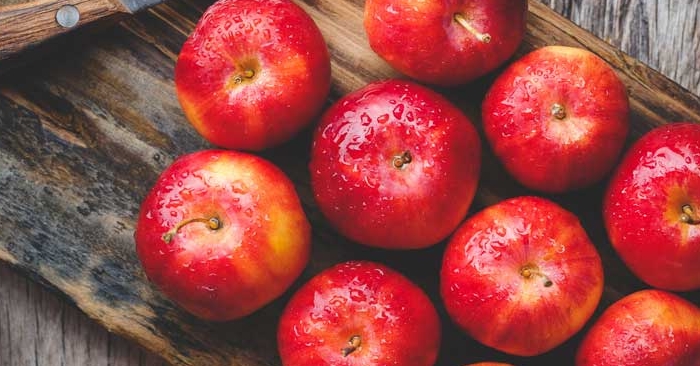
Let’s address the wax on apples first. Apples naturally produce a thin waxy layer to retain moisture and prolong freshness. However, during transportation and handling, this natural layer often wears off. To maintain freshness and extend shelf life, suppliers apply a coating of edible, food-grade wax. In India, this practice is regulated by the Food Safety and Standards Authority of India (FSSAI), which approves the use of natural waxes such as carnauba wax, beeswax, and shellac—all of which are safe for consumption. These are not plastic or industrial waxes, as many falsely believe. There’s no need to peel the skin off or soak the apple—rinsing with warm water or wiping it with a cloth is sufficient if you still feel unsure.


Now, regarding the infamous “plastic vegetables,” viral videos have caused widespread fear, but the footage was actually of wax food replicas from Japan used for restaurant displays. These were never meant for eating and were falsely labeled as fake produce in India. Claims of plastic rice, cabbage, or eggs have also been repeatedly debunked by authorities like the FSSAI.
In conclusion, it’s essential to stay informed and avoid falling for viral misinformation. Approved edible waxes are safe, and the idea of plastic vegetables in Indian markets is pure myth. Be cautious, but always verify the facts.