Kochi, Kerala: The coffee market in Kerala is witnessing an unprecedented surge in prices, with rates shooting up by Rs 60 per kilogram over the last three months. Both farmers and consumers are feeling the impact as coffee-producing regions in the state report record-breaking prices.
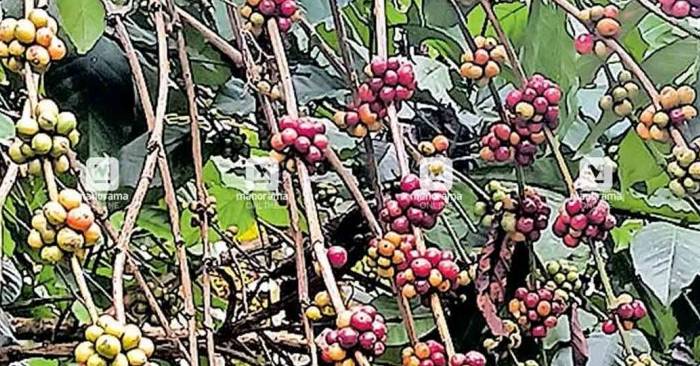
In central Kerala, the price of robusta coffee beans has now climbed to Rs 435 per kilogram, while pods with husk are being sold for Rs 260 per kilogram. The rate for raw coffee cherries stands at Rs 90 per kilogram. Meanwhile, in Wayanad, robusta cherry prices have risen to Rs 260 per kilogram, with coffee beans reaching Rs 460 per kilogram. The ongoing harvest season has barely begun, yet market analysts and farmers predict that prices may continue to rise. Additionally, Arabica coffee, though produced in smaller quantities compared to robusta, is also seeing a significant price increase.


What’s Driving the Coffee Price Surge?
The primary reasons behind this sharp rise in prices include a decrease in global coffee production and a simultaneous surge in international demand. As winter approaches in many parts of the world, the demand for coffee exports has escalated, directly impacting prices in domestic markets.
Production Declines in Kerala and Beyond
Farmers in Wayanad and central Kerala are reporting significant declines in coffee yields. Wayanad alone has seen a 20-30% drop in production compared to last year, while other coffee-growing regions in Kerala are experiencing similar reductions.
Global Factors Affecting Coffee Supply
The coffee crisis is not limited to Kerala. Leading coffee-producing nations such as Brazil and Vietnam are grappling with severe production challenges. In Brazil, a prolonged drought during the flowering period of coffee plants has drastically reduced yield. Meanwhile, in Vietnam, about 30% of the land that was once dedicated to coffee cultivation has been converted to fruit farming due to the previously low coffee prices. This shift has had a ripple effect on the global coffee market, exacerbating the current shortage. Experts warn that if this trend continues, coffee availability may remain constrained well into the coming years.