Bangkok: A recent investigation has unveiled alarming labor conditions within the global shrimp industry, highlighting the widespread exploitation of workers in India, Vietnam, and Indonesia. As major Western supermarkets demand lower wholesale prices, this pressure is resulting in severe hardships for those at the bottom of the supply chain.
Conducted by a coalition of non-governmental organizations (NGOs), the investigation reveals a significant decline in wages—ranging from 20% to 60%—compared to pre-pandemic levels. To meet the demands of supermarkets, shrimp producers have resorted to slashing labor costs, resulting in unpaid or underpaid work, extended working hours, and wage insecurity for numerous workers.


The report emphasizes the critical role of India, Vietnam, and Indonesia, which collectively provide around half of the shrimp sold in major markets such as the United States, European Union, United Kingdom, and Japan. It found that many shrimp workers earn less than the minimum wage, facing exploitative conditions exacerbated by ongoing pressure to meet pricing demands.
Workers in these countries reported experiences of unpaid overtime, wage deductions, and significant debt bondage. Child labor was also identified, with girls as young as 14 subjected to long hours in hazardous conditions.
The report links several major retailers to facilities where labor abuses have been documented. These include U.S. companies such as Target, Walmart, and Costco, along with Britain’s Sainsbury’s and Tesco, and European chains Aldi and Co-op. Despite these allegations, many supermarkets refute responsibility, citing their ethical sourcing policies. For instance, Co-op of Switzerland asserted a “zero tolerance” policy for labor law violations, while Germany’s Aldi emphasized its commitment to independent certification schemes.
Sainsbury’s and the British Retail Consortium defended their sourcing practices, claiming they prioritize worker welfare in their supply chains. However, the report contends that reliance on middlemen obscures the true origins of shrimp, complicating retailers’ ability to ensure ethical practices.
Dire Conditions on the Ground
The realities faced by workers in shrimp-producing regions are grim. In India, workers encounter dangerous and abusive environments, with shrimp farm water often contaminated by chemicals and toxic algae that pollute local water supplies. Many are paid below the minimum wage, and child labor is prevalent in shrimp-peeling operations.
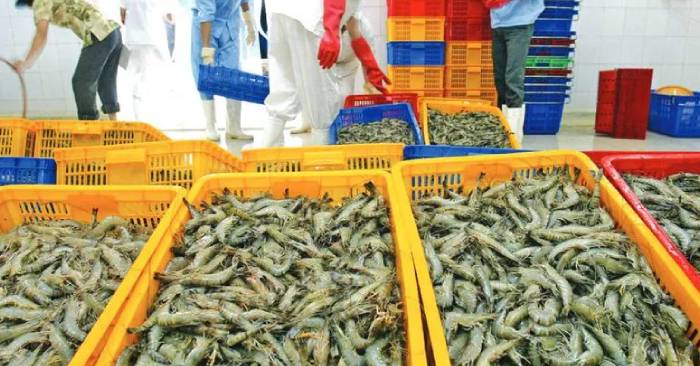
In Vietnam, women comprise 80% of the workforce in shrimp processing plants, frequently working seven days a week in cold environments to preserve the shrimp. Pregnant women and new mothers may leave an hour early, yet many still endure exhausting 12-hour shifts.
In Indonesia, wages for shrimp workers have plummeted since the pandemic, with many earning as little as $160 a month—below the country’s minimum wage. Workers often labor for 12-hour days to meet demanding production targets.
Calls for Reform
The report advocates for action from both policymakers and retailers. It suggests that increasing payments to shrimp farmers would not necessarily raise consumer prices but would diminish the profits of large supermarkets. Additionally, it emphasizes that labor exploitation in the shrimp industry is a global issue, not confined to specific countries or companies.
Katrin Nakamura, a co-author of the regional report, proposed that U.S. policymakers might utilize antitrust laws to enforce fair pricing from retailers instead of imposing tariffs on suppliers. Concurrently, the European Union has initiated a new directive requiring companies to address human rights and environmental issues in their supply chains.
Officials from Indonesia and Vietnam have commenced discussions with the report’s authors to find solutions to the ongoing labor abuses. However, with only 1,000 of the 2 million shrimp farms in these major producing countries certified for ethical practices, it is evident that substantial efforts are needed.
Indian and Vietnamese officials declined to comment on the findings.
In conclusion, the investigation highlights that the exploitation of shrimp workers is fueled by a hidden business model prioritizing profit over people. With increasing pressure on retailers to improve their supply chains, the focus now shifts to supermarkets to ensure that the shrimp they sell is sourced ethically.