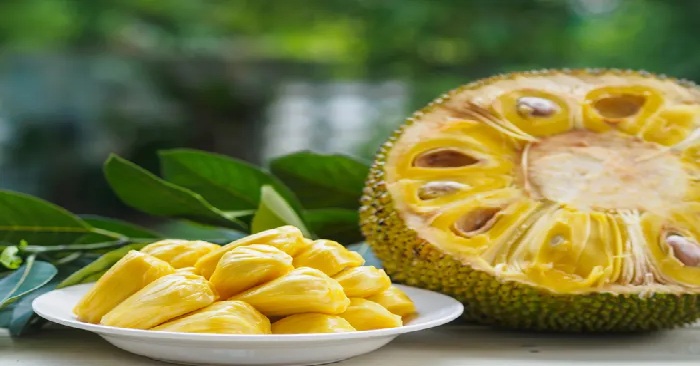
Once considered a fruit that often went to waste, jackfruit is now at the center of a thriving industry in Kerala. The days when jackfruits fell unused on the ground are fading fast, replaced by a growing demand for innovative, value-added jackfruit products that are turning into a multi-crore market.
Entrepreneurs like Subhash Koroth, Managing Director of Artocarpus Food Private Limited in Taliparamba, Kannur, have witnessed this transformation firsthand. Starting with just 10 tonnes of jackfruit annually a decade ago, the company now processes up to 500 tonnes each year. With a cold storage system in place, they can collect jackfruit during its peak season and produce items year-round. The price for raw jackfruit collection now ranges between ₹15 and ₹25 per kilo.


Similarly, P J Johnson of Anna Foods Products in Wayanad highlights a dramatic shift in jackfruit consumption. From processing only 4-5 tonnes a year 12 years ago, he now handles up to 150 tonnes annually, turning both raw fruit and jackfruit bulbs into high-demand products, the latter fetching around ₹70 per kilo.
The jackfruit industry’s rise is also supported by grassroots efforts. The Jackfruit Group, or Chakkakootam, was launched in 2018 by Anil Jose from Nilambur. This initiative connects producers, traders, and processors through a network of over 1,400 WhatsApp groups with nearly 40,000 members across Kerala. Their coordination ensures surplus jackfruit reaches areas where demand exists.
Based in Pattimattam, Ernakulam, the Jackfruit Group went a step further by forming Jackfruit Group International Private Limited. Their flagship product—vacuum-fried jackfruit chips—is praised for its low oil content and taste. During peak season, the company collects up to three tonnes of jackfruit daily and also offers monthly training to budding entrepreneurs interested in jackfruit-based businesses.
Anil Jose believes the greatest success of their movement is proving that jackfruit, once dismissed as a waste product, can in fact be a source of immense economic and social value. This agricultural turnaround is not only boosting rural livelihoods but also reshaping how Kerala and the world view this humble tropical fruit.