
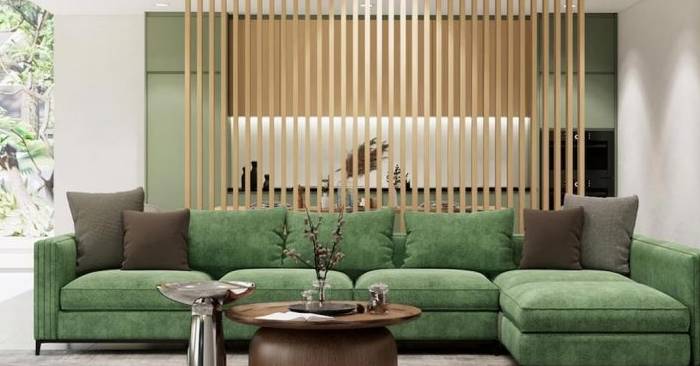
The living room is often the centerpiece of a home, reflecting the homeowner’s sense of style, luxury, and attention to detail. As such, considerable time and money are spent on designing and furnishing this important space. One of the most critical decisions is selecting a sofa that complements the room’s aesthetics. When it comes to choosing a sofa, factors such as design, material, size, and placement take center stage. However, in pursuit of high-end furniture, the cost can quickly exceed the budget, prompting some to opt for second-hand sofas. Unfortunately, used furniture can often deteriorate more quickly, leading to dissatisfaction, especially when the living room is meant to make a lasting impression on guests.
In the past, traditional furniture was crafted from durable woods like teak, rosewood, and jackfruit timber, known for their longevity and ability to be passed down through generations. Today, modern full-cover sofa sets and corner settees dominate the market. While trendy and comfortable, these newer styles do not always guarantee quality. Personal experience shows that even expensive corner settees may not stand the test of time, with issues like stitching loosening and cushions disintegrating after just a few years.


To avoid disappointment, it’s crucial to thoroughly research the materials and craftsmanship of any sofa before purchasing. Cheaper options, especially those heavily discounted on social media, can hide poor construction beneath stylish upholstery. If durability is a priority, investing in a well-made wooden sofa might be a better long-term solution. Though pricier upfront, solid wood sofas can last generations and be easily refreshed with a simple coat of polish.
When shopping for couches, seek recommendations from other customers and be cautious of too-good-to-be-true deals. In the end, quality and craftsmanship should always take precedence over fleeting trends.