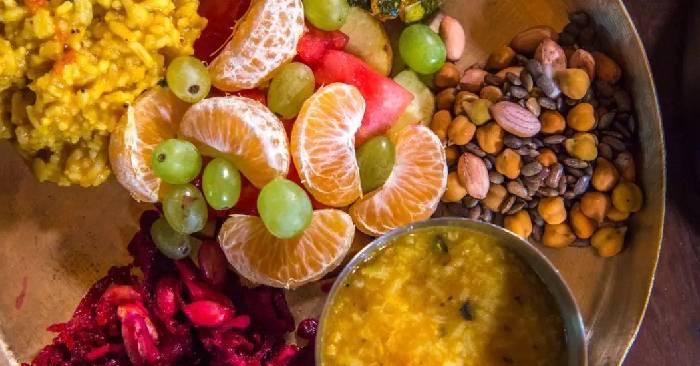
Navratri, a nine-night festival celebrating Goddess Durga, is a time filled with spiritual devotion and traditional offerings. Understanding the significance of each day’s bhog (food offering) is essential for participants. Here’s a guide to the nine different types of bhog to offer each day of Navratri.
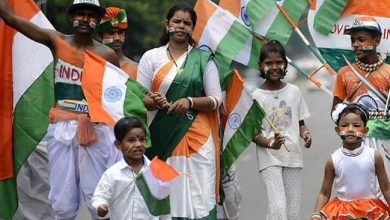
As the festive season begins across India, the vibrant celebration of Navratri is set to take place from October 3 to October 12, 2024. This nine-night festival immerses the nation in devotion and cultural richness. Navratri is a significant Hindu festival honoring the divine feminine energy embodied by Goddess Durga. The term “Navratri” translates to “nine nights” in Sanskrit, encapsulating the festival’s essence. Throughout this period, devotees commemorate Durga’s epic battle and her ultimate victory over the demon Mahishasura, symbolizing the triumph of good over evil. This festival not only showcases the strength of the divine feminine but also serves as a time for spiritual reflection, devotion, and vibrant cultural festivities across India and Hindu communities worldwide.

Nine Nights, Nine Goddesses
Each day of Navratri is dedicated to a distinct form of Goddess Durga, collectively known as the Nav Durga. Devotees believe that worshiping these manifestations brings specific blessings and fosters spiritual growth. Let’s delve into these divine forms and the unique offerings associated with each:
Day 1: Maa Shailputri
On the first day, devotees honor Maa Shailputri, who symbolizes innocence, peace, and purity. She represents new beginnings and strength. As an offering, pure desi ghee is presented to her, believed to promote overall health and vitality in the devotee’s life.
Day 2: Maa Brahmacharini
The second day is dedicated to Maa Brahmacharini, symbolizing serenity, wisdom, knowledge, love, and loyalty. She embodies the power of asceticism and devotion. Devotees offer fruits and sugar to her, seeking to enhance their wisdom and spiritual commitment.
Day 3: Maa Chandraghanta
On the third day, worshippers celebrate Maa Chandraghanta, the goddess of serenity, calm, and tranquility. She also embodies courage and peace. Devotees present kheer or milk-based desserts as offerings, believing this will fulfill desires and alleviate suffering.
Day 4: Maa Kushmanda
The fourth day honors Maa Kushmanda, the goddess of life, vigor, and brightness, symbolizing cosmic creation and health. Devotees offer malpua, a sweet flatbread, to enhance their intellect and decision-making abilities.
Day 5: Maa Skandamata
Maa Skandamata is revered on the fifth day. She represents love, compassion, motherhood, and the protective energy of mothers. Bananas are offered to her as a symbol of health, promoting both mental and physical well-being.
Day 6: Maa Katyayani
The sixth day is dedicated to Maa Katyayani, who embodies harmony, wisdom, intelligence, and serenity. Representing fierce determination, devotees offer honey to her, symbolizing the sweetness and beauty they wish to cultivate in their lives.
Day 7: Maa Kalaratri
On the seventh day, worshippers honor Maa Kalaratri, representing the annihilation of evil and darkness. She is the fiercest form of the goddess, dispelling negative energies. Jaggery is presented as prasad, symbolizing the sweetness that emerges from overcoming life’s challenges.
Day 8: Maa Mahagauri
The eighth day is devoted to Maa Mahagauri, who embodies serenity, calm, and purity. She symbolizes the cleansing of sins and the path to enlightenment. A coconut is offered to her, signifying fertility and new life, especially significant for couples desiring children.
Day 9: Maa Siddhidatri
The final day of Navratri celebrates Maa Siddhidatri, the goddess of knowledge, attainment, and enlightenment. She represents spiritual perfection and the fulfillment of desires. Devotees offer prasad made of sesame seeds, symbolizing the removal of obstacles and the attainment of spiritual growth.