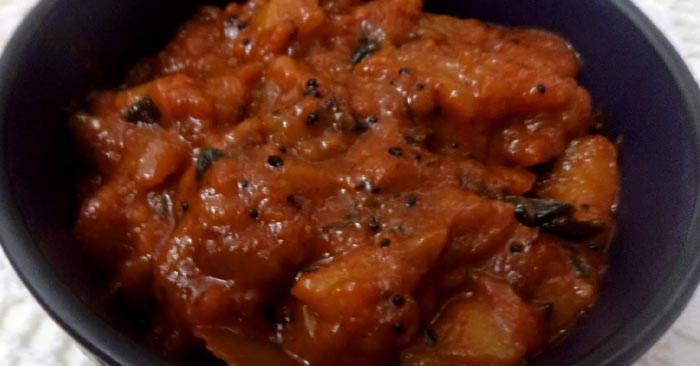
Mango pickle, or aam ka achaar, has become one of the most searched recipes globally this year, highlighting its growing popularity and cultural significance. This flavorful, tangy, and spicy condiment has been an integral part of South Asian kitchens for centuries. It goes beyond being a mere side dish—mango pickle represents a cherished tradition and embodies the essence of home-cooked meals.
The preparation of mango pickle often marks the arrival of summer in South Asia, when fresh, raw mangoes flood the markets. Families come together to make large batches of pickle, and the process becomes a memorable event, steeped in nostalgia. Grandmothers lead the seasoning process, and children assist by drying the mango pieces under the sun. This communal effort has remained unchanged across generations.


Each region in India has its version of mango pickle. For example, in Gujarat, the pickle has a sweet twist with jaggery, while in Andhra Pradesh, it’s a bold, spicy version filled with red chili. Pakistani achaar features aromatic spices and oil that reflect the rich culinary traditions of the region. This diversity in flavors has made mango pickle a beloved dish beyond its homeland.
If you’re intrigued by this culinary gem, here’s a simple recipe to make your own homemade mango pickle:
Ingredients:
500g raw mangoes, diced
2 tbsp salt
3 tbsp mustard seeds (coarsely ground)
2 tbsp fenugreek seeds (optional)
2 tbsp red chili powder (adjust to taste)
1 tsp turmeric powder
½ tsp asafoetida (hing)
100ml mustard oil (or any preferred oil)
Method:
Wash and dry the mangoes completely. Dice them into small pieces.
Toss the mango pieces with salt and let them rest for 6–8 hours or overnight to remove excess moisture. Drain the liquid.
Heat mustard oil in a pan until it starts to smoke, then allow it to cool slightly.
In a separate bowl, mix mustard seeds, fenugreek seeds (if using), chili powder, turmeric, and asafoetida. Add the mango pieces and combine thoroughly.
Gradually pour the cooled mustard oil over the mixture, ensuring all pieces are well-coated.
Transfer the pickle into a sterilized glass jar, seal it tightly, and allow it to mature for at least a week in a cool, dry place.
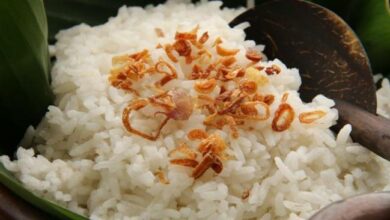
Mango pickle pairs beautifully with dal and rice or can be enjoyed with bread. It’s a burst of tradition and flavor that brings history to your table with every bite.