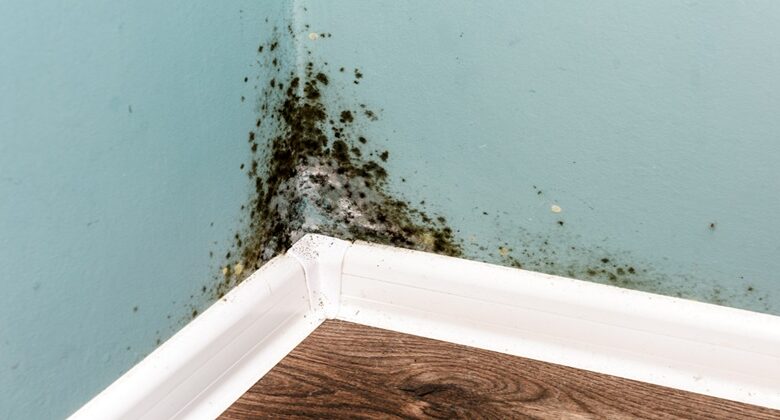
When you may have no idea why you are falling sick repeatedly. However, if you spot black or fuzzy spores – especially after the monsoon season – it is time to take action. Mould is not just dirty-looking but can be life-threatening as well. Black mould can be identified by a musty odour, visible dark spots, or health symptoms like allergic reactions. Since mould often grows in hidden, moist areas, a combination of these signs can indicate a larger problem.
Even though not all black-colored mould is the toxic Stachybotrys chartarum, seeing slimy or fuzzy dark green, black, or brown spots on walls, ceilings, or furniture is a definite sign of an infestation. Make sure you pay attention to areas with high moisture, such as bathrooms, kitchens, and basements.


What are the frequent health symptoms you may get due to mould?
According to experts, if you have been facing lingering health issues that feel like a cold or allergies, it could be triggered by mould spores in the air. A few common signs and symptoms include:
- Chronic coughing, sneezing, and nasal congestion
- A persistent sore throat or itchy, watery eyes
- Skin rashes or other skin irritation
- Wheezing, chest tightness, or asthma flare-ups
- Itchy and red eyes
If you are allergic to mould spores, you can develop the symptoms immediately after coming into contact with spores. Otherwise, the symptoms may take a while to appear and become deadly soon after. Experts say that some people are more sensitive to damp and mould, including:
- Babies and children
- Older people
- People with existing skin problems, like atopic eczema
- People with respiratory problems, like allergies and asthma
- People with a weakened immune system, including those undergoing chemotherapy
Doctors say the main problem with mould is that it produces allergens apart from irritants and even toxic substances, which, when you inhale, lead to deadly symptoms. You may suffer from respiratory issues, infection of the airways with the fungus, skin allergies, asthma, immune system issues, and even mental health issues.
Those who live in damp and mouldy homes are at increased risk of depression and anxiety attacks, which, experts believe, can, in turn, increase the risk of respiratory symptoms and asthma. In addition, damp and mould were estimated to contribute to 1 to 2 per cent of new cases of allergic rhinitis – a condition causing nasal congestion, runny nose, sneezing, and itching.