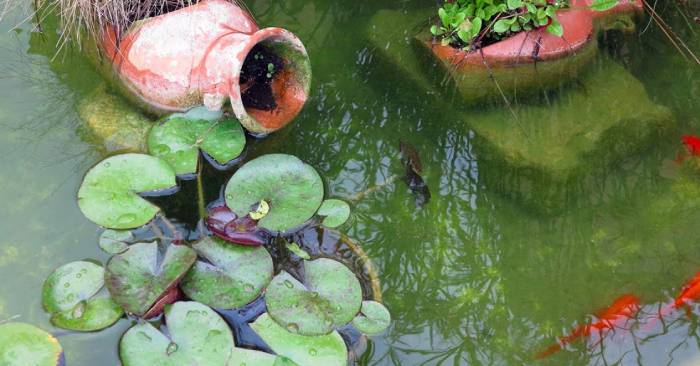
Modern homes are evolving into self-sustaining ecosystems, blending lush greenery, water elements, and vibrant wildlife. Among these, koi ponds have emerged as a popular landscape feature, adding movement and tranquility to residential spaces. Originating from Japanese gardens, koi ponds are designed to house ornamental koi fish, known for their vivid colors and serene presence. These ponds not only enhance the beauty of a home but also promote relaxation and mental well-being. Even a single dedicated caretaker can efficiently maintain a koi pond, making it a feasible addition to contemporary homes.
Designing a Koi Pond
If you’re considering a koi pond, it’s essential to discuss it with your architect or engineer early in the planning phase. Structural stability is crucial, especially for terrace ponds, as they need to support the weight of the water. For ponds situated in courtyards or gardens, construction should align with wall plastering to ensure a seamless integration. Additionally, a water inlet and an electrical outlet should be installed nearby for easy maintenance.


Ideal Pond Size and Safety Considerations
Koi ponds can be constructed indoors or outdoors, but they must provide ample space for the fish to swim freely. A minimum size of 5 feet by 3 feet is recommended, with a depth of around two and a half feet. While deeper ponds may seem appealing, they can pose a safety hazard, particularly in homes with children. For larger ponds, incorporating walkways with hand railings enhances safety while maintaining aesthetic appeal.
A well-designed koi pond should accommodate multiple fish, as koi thrive in groups. Limited space can stunt their growth, so a larger pond is preferable. Concrete tanks offer durability but can be difficult to dismantle if no longer needed. Alternatives such as pond liners and polythene sheets are commonly used, but they may develop cracks due to water pressure. A more sophisticated option is a glass-paneled pond, which adds an elegant touch to interiors.
Filtration and Water Quality
Maintaining clean water is essential for the health of koi fish. High-quality filtration systems remove waste and prevent water contamination. Market-available filters with UV filtration are a great choice, while natural filtering materials like charcoal, ceramic rings, bio balls, sponges, and cotton also work effectively. It is crucial to keep filters running continuously to maintain water quality.
An efficient koi pond should have a single inlet for water intake and two outlets for drainage. Instead of replacing the water frequently, filtered water can be recirculated to conserve resources. Lava rocks serve as an excellent natural filtration medium. Although UV filters are not necessary for all ponds, they are recommended for outdoor koi ponds exposed to direct sunlight. The depth of the pond can be adjusted using layers of metal and tarpaulin sheets placed over a bed of metal stones.
Creating a Natural Ambience
A naturally designed koi pond enhances the landscape’s aesthetic appeal. Incorporating trees, shrubs, rocks, and miniature waterfalls creates a tranquil environment. Textured cement blocks or artificial rock sculptures can be used alongside real stones for a visually stunning effect. Skilled artisans can even craft realistic-looking rock formations from lightweight thermocol.
Smaller ponds can be adorned with decorative pebbles and aquatic plants. Popular plants for koi ponds include ferns, water lilies, Japonica, water lettuce, duckweed, water moss, foxtail plants, and water mosaics. These plants provide oxygen for the fish while benefiting from the fish waste as a natural fertilizer. Statues and artistic elements can further enhance the pond’s elegance. Since koi ponds have continuous filtration, the growth of unwanted weeds is minimal.
Choosing and Caring for Koi Fish
Koi carp are admired for their striking colors and graceful movements. While Indian and Japanese varieties are the most common, there are over 15 types of koi fish available in the market. Foreign koi varieties tend to be more vibrant and visually appealing, though they are often more expensive. The price of koi fish is largely determined by their size.
Water movement plays a crucial role in keeping koi fish active and healthy. A well-maintained circulation system ensures the fish remain energetic. Proper feeding is also essential—overfeeding can lead to water contamination, while underfeeding may weaken the fish. Ideally, one family member should take charge of feeding the fish to maintain a consistent routine.
With the right design and maintenance, a koi pond can transform your home into a serene retreat, bringing nature closer while enhancing the overall aesthetic and ambiance of your living space.