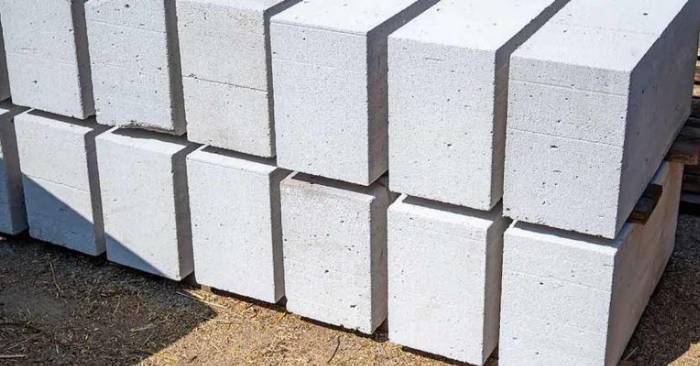
The environmental impact of cement manufacturing has been well-documented over the years. Despite its crucial role in building construction, the quest for eco-friendly alternatives continues. Researchers from ten universities worldwide are exploring Rice Husk Ash (RHA) as a potential replacement for cement in concrete production.
RHA is rich in silica, which reacts chemically with hydrates like calcium hydroxides in concrete, forming supplementary products that enhance strength and stability. This partial substitution of cement with RHA could reduce cement dependency without compromising the integrity of the concrete, garnering support from environmentalists due to its lower carbon footprint. Cement production releases significant amounts of CO2, whereas using RHA could mitigate these emissions.


Utilizing machine learning, researchers have assessed the ‘compressive strength’ of RHA-based concrete, providing valuable insights for builders. The American University of Ras Al Khaimah (AURAK) leads this groundbreaking research, currently in its second phase. Various percentages of cement—5%, 10%, and 15%—are being replaced with RHA to study the resulting concrete’s durability and strength over time.
Prof. Stephen Wilhite, Senior Vice President of Academic Affairs and Student Success and Provost at AURAK, emphasizes the importance of this research in finding substitutes for environmentally harmful materials like cement, thereby reducing CO2 emissions. According to the US Geological Survey, producing one tonne of cement emits 0.9 tonnes of CO2, highlighting the urgent need for sustainable alternatives.