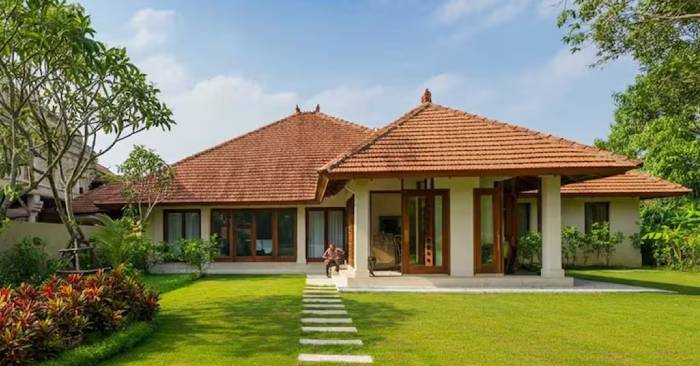
Building a home is one of the most significant financial investments, but overspending on unnecessary features can lead to financial strain. While it is natural to want a beautiful home, it is crucial to balance aesthetics with functionality and cost-effectiveness. Here are some essential mistakes to avoid in house construction to save time and money.
-
Assess Room Usage Before Designing
Consider how rooms are utilized in your current home. If there is a space that remains unused, it is likely unnecessary in your new house. Plan rooms to serve multiple functions to maximize space efficiency. -
-
Opt for a Mezzanine Floor Instead of a Single Room Upstairs
If your home design includes only one room on the upper floor, a mezzanine floor is a more economical choice. Using iron pillars for support and materials like ferrocement or fibre cement boards can help save costs, and these can be modified later if needed. -
Control Expenses on Furnishings
One of the biggest areas of waste in home construction is over-the-top furnishing. There are numerous stylish and affordable materials available. Always check the price before making a purchase to ensure it fits your budget. -
Make Independent Decisions About Materials
While neighbors, friends, and relatives may offer opinions, remember that the final decision should be yours. Choose building and furnishing materials based on personal preferences and budget, not external influences. -
Save on Flooring Costs
Flooring is a major expense in house construction. One way to cut costs is by using leftover stock from tile stores. While the drawback is that you may not get a uniform pattern throughout the house, using different tile designs in different rooms can create a unique aesthetic. -
Simplify Wall Design to Reduce Expenses
Avoid excessive exterior facades and overhangs, as they can significantly increase construction costs. Additional decorative elements not only require more materials but also raise labor costs, which are often equal to or more than the material costs. -
Choose a Cost-Effective Roofing Method
Sloped roofs are often built by first creating a flat surface and then installing trusses, which increases expenses. Instead, using an iron framework with tiles on top can be a budget-friendly alternative. While sloped roofs are said to reduce heat and provide storage, they often become nesting areas for birds and pests. -
Be Cautious with Electrical and Plumbing Installations
Electrical and plumbing work can be expensive if not planned carefully. Many homeowners overinstall plug points, two-way switches, and provisions for future appliances. An excess number of plug points may require a three-phase connection, further increasing costs. -
Manage Wooden Work Expenses Wisely
If you plan to include wooden elements in your home, allocate a budget accordingly. Without supervision, wood wastage can occur during cutting and storage. Additionally, ensure the wood is properly dried before use. High-quality polishing is necessary for durability, but it is also an added expense. -
Avoid Overspending on Staircases in the Sit-Out
Long staircases in the entrance might add to the house’s appearance, but they significantly impact the budget. The cost of materials like granite is high, and increasing the area by even a few square feet adds up in both material and labor expenses.


By carefully planning and making informed decisions, you can construct a beautiful, functional, and cost-efficient home without unnecessary financial burdens.