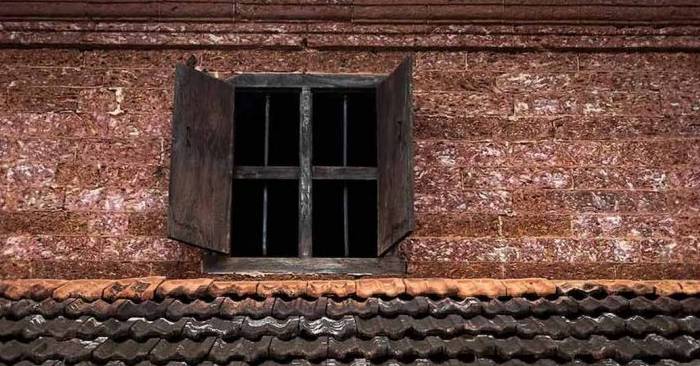
Vastu Shastra, the ancient Indian science of architecture, focuses on creating harmony between the energies in a space and its inhabitants, influencing their well-being, prosperity, and happiness. One important aspect in Kerala’s Vastu practices is the ‘Kannimoola,’ or the south-west corner of a home, which holds special significance. Traditionally, this corner is considered the ideal space for the head of the family to reside.
In Kerala, the south-west corner is almost never used for toilets, as Vastu principles advise against it. In fact, thousands of toilets in this corner have been demolished over the years, and today, nearly 90% of homes in Kerala are free of toilets in the ‘Kannimoola.’ The reason behind this is both scientific and cultural. This area is believed to receive an abundant amount of wind and light, which makes it unsuitable for bathrooms. Historically, homes did not have attached toilets; instead, they had separate structures known as ‘Ovara’ or out-houses.


The recommendation by Vastu to avoid water in corners is based on ancient construction methods. Without the modern use of lintels, beams, or slabs, excess moisture would weaken the structure’s corners, increasing the risk of collapse. This practical reasoning forms the basis for Vastu’s caution against having water-based structures in those areas.
Ultimately, Vastu Shastra goes beyond these architectural rules. It combines science, culture, and spirituality, creating a comprehensive vision of how the environment influences human habitation, offering both practical and harmonious solutions for home design.