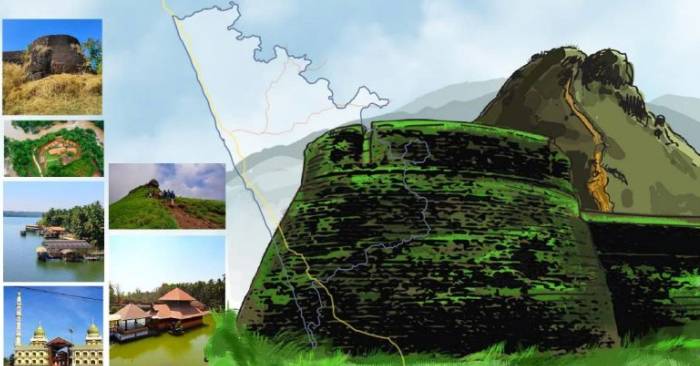
When planning a trip to Kerala, many travelers often opt for the popular Munnar-Alappuzha-Fort Kochi route, overlooking the hidden gems of the state. One such gem is Kasaragod, Kerala’s northernmost district, rich in history and natural beauty. Home to 12 rivers, including the iconic Chandragiri, Kasaragod shares its borders with Karnataka, which lends the local Malayalam dialect a unique rhythm. This picturesque region boasts serene beaches, misty hills, historic forts, ancient temples, and vibrant cultural heritage, featuring traditional art forms like Theyyam and Yakshaganam.
One of the must-visit attractions in Kasaragod is the historic Bekal Fort. Built in the 17th century, this majestic fort, located in Pallikkara village, was originally constructed by the Kadamba dynasty and later came under the control of the Kolathiri rulers, Hyder Ali, Tipu Sultan, and the English East India Company. Standing 130 feet tall, the fort features circular bastions, towering observation decks, and a water tank with steps, showcasing remarkable architectural prowess. Nearby, visitors can explore a Hanuman temple and a mosque attributed to Tipu Sultan. Just a kilometer away lies Bekal Beach, a picturesque spot perfect for relaxation and sunset views.


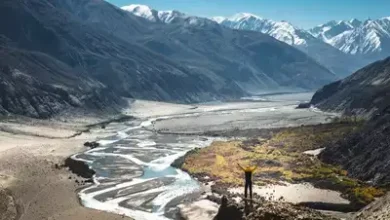
For those seeking adventure, the hilly terrain of Possadi Gumpe offers breathtaking views from 1,060 feet above sea level, where trekkers can enjoy the beauty of the Western Ghats on one side and the Arabian Sea on the other. The lush Ranipuram Hills, situated about 43 kilometers from Kanhangad, also beckon nature lovers with their rich biodiversity and stunning landscapes. This hill station, formerly known as Madathumala, is home to evergreen forests and wildflower carpets, with a proposed wildlife sanctuary enhancing its appeal.
The iconic Chandragiri Fort, located southeast of Kasaragod town, stands as a testament to the region’s historical significance. Built during the reign of the Keladi Nayakar, it served as a vital border fortification. The fort’s remnants, located at the estuary where the Payaswini River meets the Arabian Sea, are protected by the Archaeological Survey of India.
A visit to Kasaragod wouldn’t be complete without exploring the Anathapura Lake Temple, the only lake temple in Kerala. Built in the 9th century, this serene temple is surrounded by water and believed to be the original residence of the Ananthapadmanabha idol from the Padmanabhaswamy Temple in Thiruvananthapuram. Another significant site is the Malik Ibn Dinar Mosque in Thalangara, one of the earliest mosques in Kerala, constructed by the Persian scholar Malik Ibn Dinar, who introduced Islam to the region.
For beach lovers, Pallikkara Beach offers a tranquil escape, known for its cleanliness and stunning sunsets. Additionally, the Poliyam Thuruth Eco Tourism Village, located on a quaint islet in the Payaswini River, provides an opportunity for unique eco-friendly experiences, featuring a watchtower, swimming pool, and cottages showcasing local art and handicrafts.
Lastly, trekking enthusiasts will find delight in Manjampothikunnu, renowned for its mist-covered hills and scenic beauty. This area, developed as a tourist destination, promises a mesmerizing experience for visitors.
With its diverse attractions, Kasaragod is an ideal destination for those seeking to explore the less-traveled paths of Kerala. Whether you’re interested in history, nature, or cultural experiences, this northern district offers a wealth of opportunities to create unforgettable memories.