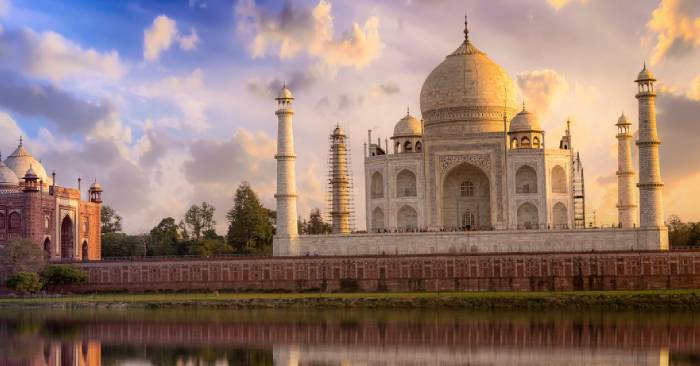
India is solidifying its status as a key player in the global travel scene, with a notable increase in international visitors. According to Booking.com’s recent report, “How India Travels 2024 – The Inbound Edit,” which was produced in collaboration with Accenture, the country welcomed over 9 million foreign tourists in 2023. This surge reflects a growing interest in India’s rich cultural heritage and diverse landscapes, contributing to impressive Foreign Exchange Earnings (FEEs) that reached USD 15.3 billion in the first half of 2024, marking a 17.6% increase from 2023 and a 5.5% rise from 2019.
Several travel trends are shaping this increase in inbound tourism. The report indicates that 52% of travelers now consider India their primary vacation destination, while 22% plan to combine their visit to India with trips to nearby Asian countries. This trend signifies India’s emerging status as a top travel hotspot in Asia.


Significant shifts in source markets are also influencing this travel landscape. The US, UK, Germany, and UAE have emerged as the leading sources of international visitors, with Booking.com’s search data indicating a departure from traditional markets like China, Canada, and Bangladesh. New entrants such as Hong Kong, Australia, Italy, and the Netherlands are now among the top ten inbound markets.
While iconic cities like Delhi, Mumbai, Bengaluru, Jaipur, and Chennai continue to attract tourists, there is a growing interest in off-the-beaten-path destinations. Places such as Hampi and Leh are becoming increasingly popular, demonstrating India’s diverse tourism potential. Emerging locations like Patnitop, Pahalgam, Madikeri, Vijayawada, and Khajuraho have experienced year-on-year growth of 2X or more.
Moreover, nearly 44% of international travelers who have previously visited India express a desire to return, while 40% are exploring the country for the first time. This enthusiasm translates into travelers wishing to explore multiple destinations, with 41% planning to visit 2-4 locations and 35% aiming for 5-10.
The rise of the digital traveler is another significant development in India’s inbound tourism. Since 2019, travelers are increasingly seeking personalized and flexible experiences, with many opting to book complete travel packages (52%) or individual components separately (40%). This shift indicates a transformation in how travelers approach planning their journeys, contributing to India’s allure as a prime destination for global tourism.