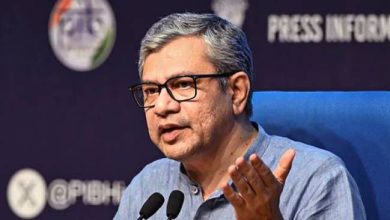
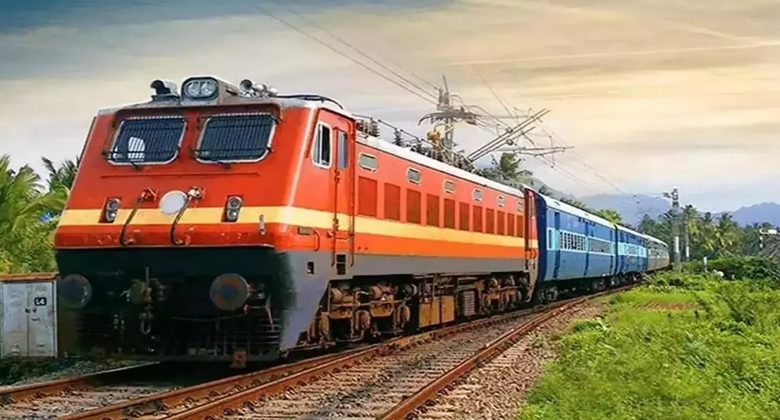
Indian Railways has announced plans to double train capacity in 48 major cities by 2030. The move aims to meet rising passenger demand, ease congestion, and strengthen nationwide connectivity. Union Railway Minister Ashwini Vaishnaw said, “We’re expanding coaching terminals and enhancing sectional and operational capacities across various cities to address growing passenger demand and reduce congestion. This initiative will upgrade our railway network and improve connectivity nationwide.”
Passenger travel demand has been rising steadily in recent years, placing immense pressure on the railway network. Many major city terminals are already operating close to their maximum capacity, making it difficult to accommodate future growth.


Existing infrastructure urgently requires upgrades to handle the anticipated increase in traffic, as congestion at large stations is affecting punctuality and overall operations. Indian Railways has emphasised that current facilities must be significantly augmented to meet upcoming travel requirements and ensure smoother journeys for passengers.
Key objectives of the Expansion Plan
- Double the number of trains originating from major cities.
- Reduce congestion at high-traffic stations.
- Improve punctuality and operational efficiency.
- Strengthen suburban and long-distance rail services.
- Ensure balanced traffic distribution across stations.
- Planned Infrastructure Upgrades
To achieve the 2030 target, Indian Railways will undertake:
- Construction of additional platforms at existing terminals.
- Expansion of stabling lines, pit lines, and shunting facilities.
- Identification and development of new terminals in and around urban areas.
- Creation of maintenance facilities, including mega coaching complexes.
- Signalling upgrades and traffic facility works.
- Multi-tracking projects to boost sectional capacity.
48 Cities Selected For Capacity Doubling
Delhi, Mumbai (Central & Western Railway), Kolkata (Eastern, South Eastern & Metro), Chennai, Hyderabad, Bengaluru, Ahmedabad, Patna, Puri, Lucknow, Pune, Nagpur, Varanasi, Kanpur, Gorakhpur, Mathura, Ayodhya, Agra, Pandit Deen Dayal Upadhyaya Junction, Chandigarh, Ludhiana, Amritsar, Indore, Bhopal, Ujjain, Jammu, Jodhpur, Jaipur, Vadodara, Surat, Madgaon, Kochi, Bhubaneswar, Visakhapatnam, Vijayawada, Tirupati, Haridwar, Guwahati, Bhagalpur, Muzaffarpur, Darbhanga, Gaya, Mysuru, Coimbatore, Tatanagar, Ranchi, Raipur, Bareilly.
Indian Railways will also develop stations around major terminals to distribute train traffic and reduce pressure on single hubs. For example, in Pune, upgrades are planned at Hadapsar, Khadki, and Alandi, alongside additional platforms and stabling lines at Pune station.