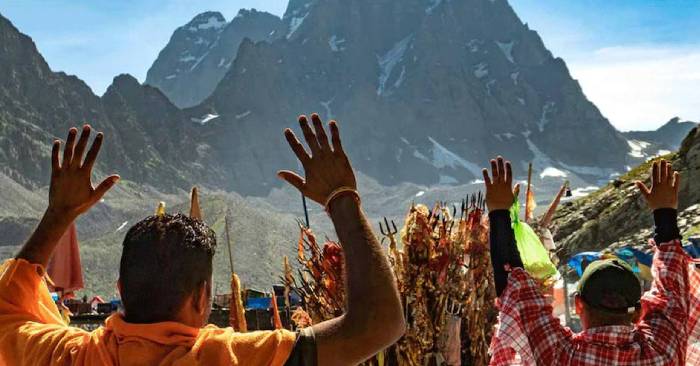
After a five-year break, the revered Kailash Mansarovar Yatra is set to resume from June 30, 2024, marking a moment of spiritual significance for devotees. This high-altitude pilgrimage, which had been suspended since 2020 due to the COVID-19 pandemic and strained Indo-China relations, is now making a carefully coordinated comeback. The Ministry of External Affairs (MEA) has assigned Kumaon Mandal Vikas Nigam (KMVN) to manage the Indian leg of the yatra, ensuring travel arrangements, lodging, meals, and ground support.
This sacred journey, significant for Hindus, Buddhists, Jains, and Bon followers, involves trekking to altitudes up to 15,000 feet. It spans 22 days, starting from Delhi and proceeding through the Lipulekh Pass in Uttarakhand’s Pithoragarh district. Only 250 pilgrims will be allowed this year, grouped into batches of 50.


Following thorough medical evaluations, pilgrims will make overnight halts in Tanakpur, Dharchula, Gunji (for acclimatization), and Nabhidang before crossing into Tibet via Taklakot. On the return, halts include Bundi, Chaukori, and Almora before concluding in Delhi.
Devotees are advised to travel light and carry warm clothing, trekking boots, personal medications, and basic supplies such as sunscreen, lip balm, torches, and batteries. With careful preparation, this long-awaited yatra promises to be both spiritually enriching and safely executed. The revival of the Kailash Mansarovar Yatra not only marks the reopening of a vital spiritual route but also symbolizes renewed cross-border cooperation and hope for thousands of devotees who have long awaited this sacred experience. As only a limited number of pilgrims will be permitted this year, the journey remains exclusive and deeply personal. Those embarking on this spiritual quest should approach it with mindfulness, proper preparation, and respect for the physical demands and cultural sanctity of the region.