
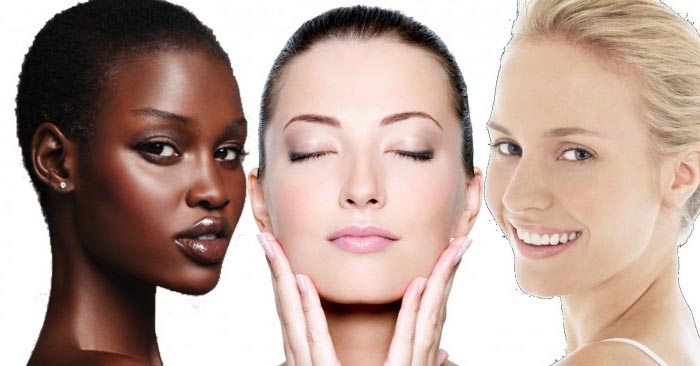
Many people have experienced the frustration of noticing uneven skin tone, such as a forehead darker than the rest of the face. Skin discoloration can result from several factors, including sun exposure, acne scars, hormonal changes, and certain medical conditions. These factors contribute to either hyperpigmentation (darkening of the skin) or hypopigmentation (lightening). The imbalance in melanin production, influenced by both external and internal factors, plays a significant role in these changes.
Hyperpigmentation is more common and often results in darker patches on the skin. Dr. Vijay Singhal, Sr. Consultant, Dermatology at Sri Balaji Action Medical Institute, explains that discolored skin can stem from various causes such as sun damage, hormonal shifts, and specific health conditions. Dr. Sanyogita Singh, MD Dermatologist and Founder of Sanyukt Skin, adds that conditions like melasma or post-inflammatory hyperpigmentation can also contribute to uneven skin tone, especially as we age.


Prevention and treatment of skin discoloration require a multi-faceted approach. Consistent use of sunscreen is crucial, even on cloudy days, as UV rays can penetrate clouds and exacerbate pigmentation issues. Incorporating skincare products with ingredients like niacinamide, kojic acid, or alpha arbutin can help reduce dark spots by regulating melanin production. For persistent discoloration, consulting a dermatologist may be necessary to explore options like prescription creams or laser therapy.
Natural remedies such as aloe vera, licorice extracts, and green tea have also shown promise in reducing hyperpigmentation. Chemical treatments like laser skin resurfacing, dermabrasion, and antifungal creams offer more intensive options for those seeking quicker results. However, it’s essential to approach treatment with patience and consistency to achieve the best outcome.